
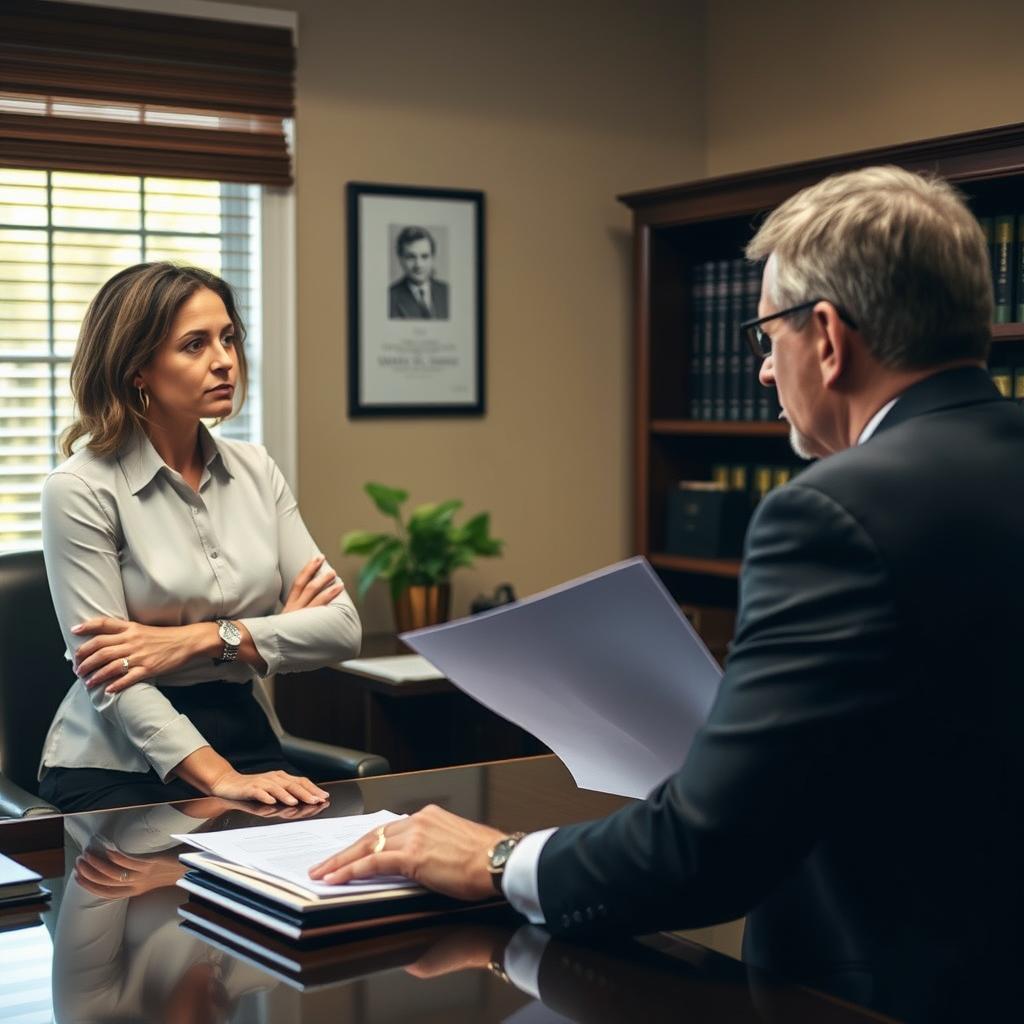
VAWA Immigration Lawyer Goochland County, VA
If you are a victim of domestic violence and need to secure your immigration status independently of an abusive family member, the Violence Against Women Act (VAWA) provides a pathway to lawful permanent residence through a self-petition. Law Offices Of SRIS, P.C. Guides Goochland County residents through the VAWA immigration process, from preparing the Form I‑360 to adjusting status. Mr. Sris, Owner and Founder, leads the firm’s immigration practice and appears at USCIS and immigration court proceedings on behalf of clients in Goochland, Crozier, Oilville, and surrounding communities. Our firm, practicing since 1997, helps individuals build a strong evidentiary record and navigate the intersection of federal immigration law and Virginia domestic violence protections. For a confidential consultation, contact our Richmond Location at (888) 437‑7747. Law Offices Of SRIS, P.C. – Advocacy Without Borders.
What VAWA Immigration Means in Goochland County
The Violence Against Women Act allows certain abused spouses, children, and parents of U.S. Citizens or lawful permanent residents to self‑petition for lawful status without the abuser’s knowledge or consent. The process is entirely federal—adjudicated by United States Citizenship and Immigration Services—but for Goochland County residents, the practical steps often involve local Virginia courts and agencies.
Affirmative immigration applications, including VAWA self‑petitions and subsequent adjustment of status filings, are processed through the USCIS Washington District Office at 2675 Prosperity Avenue in Fairfax. Removal proceedings, should they arise, are heard at the Arlington Immigration Court on South Bell Street. Because a VAWA petition often relies on evidence of domestic abuse, the firm assists clients in documenting incidents through police reports, medical records, and statements from witnesses. Goochland County’s own General District Court, located on River Road West, can issue protective orders under Virginia law that complement a VAWA filing by establishing a record of abuse and providing a measure of immediate safety. The firm’s familiarity with the Sixteenth Judicial District and the regional USCIS and EOIR venues allows Mr. Sris and his Of Counsel to coordinate a client’s federal immigration case with any parallel state‑court proceedings that may strengthen the VAWA petition.
How Mr. Sris and His Of Counsel Handle VAWA Immigration Cases
Every VAWA case begins with a thorough evaluation of eligibility under the Immigration and Nationality Act. The firm examines the qualifying relationship, the nature and severity of the abuse, evidence of good moral character, and any other factors that USCIS adjudicators weigh. Mr. Sris and his Of Counsel then prepare the I‑360 self‑petition with a detailed personal declaration and supporting documentation, aiming to present a complete and persuasive case at the initial filing.
After filing, the firm monitors the petition through background checks, requests for evidence, and, where applicable, the prima‑facie determination that qualifies a client for certain public benefits. For clients who are in removal proceedings, Mr. Sris may seek termination or administrative closure while the VAWA petition is pending. Once the I‑360 is approved, the firm assists with adjustment of status to lawful permanent residence, including the filing of Form I‑485 and any necessary waivers of inadmissibility. Throughout the process, the firm coordinates with the Richmond Location and appears at USCIS interviews, immigration court hearings, and any related state‑court matters that affect the client’s safety or evidentiary record.
About Mr. Sris and His Of Counsel Team
Mr. Sris, Owner and Founder of Law Offices Of SRIS, P.C., has practiced immigration law since 1997 and is admitted in Virginia, Maryland, the District of Columbia, New Jersey, and New York. A former prosecutor, he understands how official records and cross‑examination can affect a client’s credibility, experience he applies when preparing VAWA declarations and responding to USCIS scrutiny. Mr. Sris testified before the Virginia House Courts of Justice Committee in support of 2019 HB 635 (chief patron Del. David Bulova), demonstrating his commitment to legislative improvements that affect families.
Mr. Sris and his Of Counsel bring extensive combined legal experience. The firm’s Of Counsel attorneys include a former Virginia State Trooper whose law‑enforcement background provides valuable perspective on police reports and protective‑order enforcement, and attorneys with substantial immigration and family‑law experience. The team works collaboratively on every VAWA matter, ensuring each client benefits from a broad base of knowledge while maintaining direct communication with Mr. Sris. For a confidential consultation about your VAWA immigration options, reach the firm at (888) 437‑7747.
Frequently Asked Questions
What is a VAWA self‑petition?
A VAWA self‑petition allows certain victims of domestic violence to apply for lawful permanent residence without the abuser’s cooperation or knowledge. Congress created the remedy under the Violence Against Women Act to prevent abusers from using the immigration process as a tool of control. The self‑petitioner files Form I‑360 with USCIS and, if approved, may become eligible for work authorization and, eventually, adjustment of status to a green card. The petition requires proof of the qualifying relationship, evidence of battery or extreme cruelty, and a showing of good moral character. An attorney can help gather the supporting documents and prepare a detailed declaration that meets USCIS standards.
Who is eligible for VAWA immigration relief?
Spouses, children, and parents of U.S. Citizens or lawful permanent residents who have been subjected to battery or extreme cruelty by that family member are eligible to self‑petition under VAWA. The abuse must have occurred during the qualifying relationship, and the self‑petitioner must currently reside in the United States. Eligibility also requires that the self‑petitioner be a person of good moral character and that the marriage, if applicable, was entered into in good faith. Certain grounds of inadmissibility may be waived for VAWA self‑petitioners, and a pending petition can provide a basis for protection from removal.
How does VAWA intersect with Virginia protective orders?
A Virginia protective order can provide independent evidence of abuse and enhance the safety of a VAWA self‑petitioner while the immigration case is pending. Although the VAWA petition is adjudicated by federal immigration authorities, Goochland County General District Court can issue emergency, preliminary, or permanent protective orders that establish a legal finding of domestic violence. These orders are admissible in immigration proceedings and help corroborate the self‑petitioner’s account of abuse. The firm regularly coordinates with clients to obtain protective orders and incorporate them into the VAWA evidentiary record, ensuring the state‑court action and the immigration case reinforce each other.
Do I need a lawyer to file a VAWA petition?
You are not legally required to hire a lawyer, but VAWA self‑petitions involve complex legal and evidentiary standards that benefit from experienced immigration counsel. Any mistake in the petition, incomplete supporting documents, or an unconvincing personal declaration can lead to a denial or a request for evidence that delays the case. A lawyer can evaluate your eligibility, help you gather the right evidence, prepare the necessary forms, and represent you at USCIS interviews or in immigration court. Because many victims face ongoing safety concerns, an attorney also can coordinate the immigration case with any state‑court protection proceedings, reducing the risk of inconsistent information.
How does the VAWA process work for Goochland County residents?
Goochland County residents file the VAWA self‑petition with the USCIS Vermont Service Center; subsequent adjustment‑of‑status applications are processed at the USCIS Washington District Office in Fairfax. After filing, USCIS schedules a biometrics appointment at a local Application Support Center, and the petition is adjudicated on the strength of the submitted evidence. If an interview is required, it takes place at the Fairfax USCIS office. Cases that involve removal proceedings proceed at the Arlington Immigration Court. Throughout the timeline—which varies based on USCIS workloads—Mr. Sris and his Of Counsel handle communications with immigration authorities and accompany clients to every appointment.
What documents do I need for a VAWA application?
A VAWA self‑petition requires evidence of the qualifying relationship, proof of abuse, and documentation of good moral character. The qualifying‑relationship evidence may include marriage or birth certificates. Abuse documentation can consist of police reports, medical records, protective‑order filings, photographs, and statements from witnesses, counselors, or shelter staff. Good‑moral‑character evidence includes affidavits, employment records, and, if applicable, documentation of any criminal history along with evidence of rehabilitation. Because the evidentiary burden is high, the firm assists clients in identifying, obtaining, and organizing the materials that USCIS expects to see before approving the petition.
Also serving: Fairfax County, Prince William County, Manassas, Fairfax City, and Falls Church.
For information on Virginia’s domestic violence protective order process and state court procedures, visit the Virginia Judicial System and the Code of Virginia.
Attorney advertising. Prior results do not guarantee a similar outcome.
Results may vary.
Case results depend on a variety of factors unique to each case.