
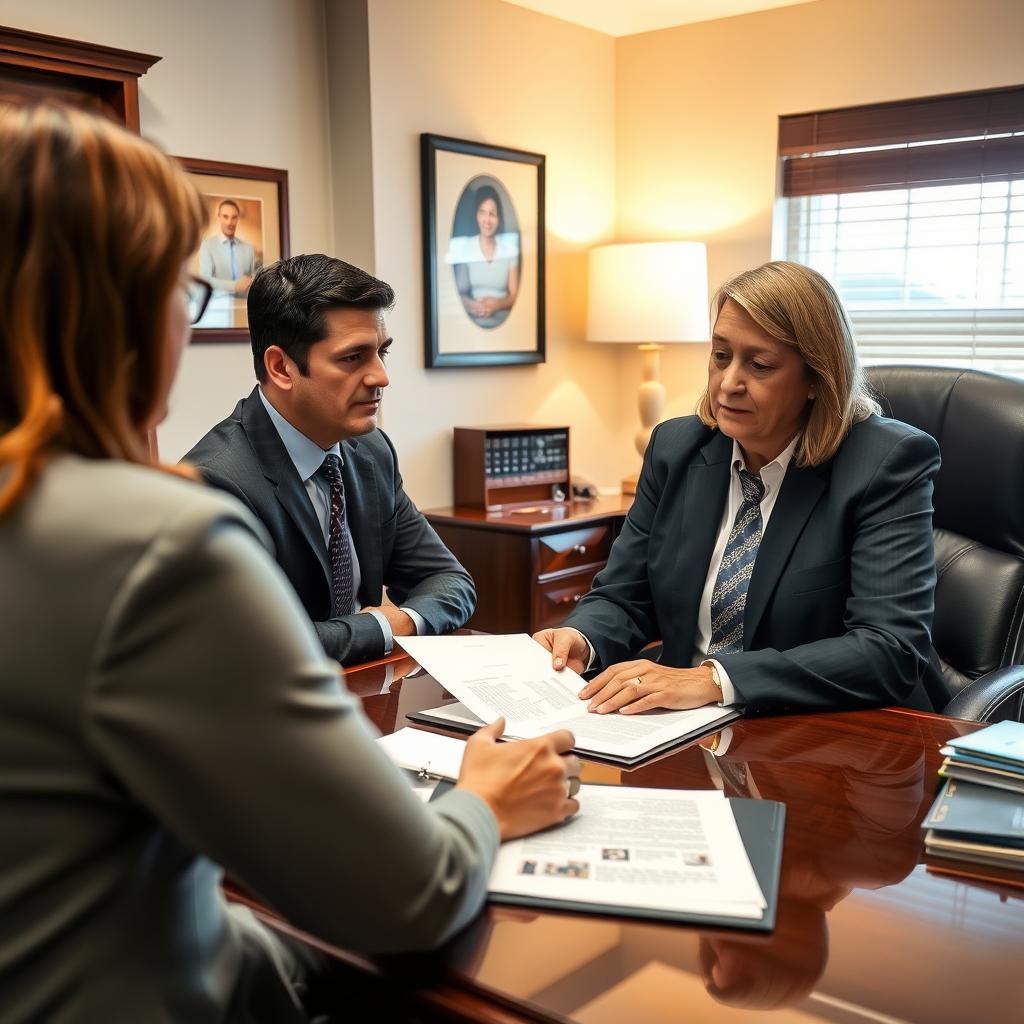
VAWA Immigration Lawyer Chesterfield County, VA
If you are living in Chesterfield County, Virginia, and are an immigrant who has suffered abuse at the hands of a spouse, parent, or adult child who is a U.S. Citizen or lawful permanent resident, you may qualify for lawful status through the Violence Against Women Act (VAWA). VAWA immigration relief allows qualifying victims to self-petition for a green card without the abuser’s knowledge or cooperation. At Law Offices Of SRIS, P.C., our experienced multi-state attorneys help individuals in Midlothian, Chester, Bon Air, Brandermill, and throughout Chesterfield County navigate the VAWA self-petition process. We represent clients who need protection from deportation and a pathway to permanent residence. Your safety and privacy are paramount; all consultations are confidential. To speak with an immigration attorney about your situation, reach our Richmond, Virginia location at (888) 437-7747. Law Offices Of SRIS, P.C. – Advocacy Without Borders.
What VAWA Immigration Means in Chesterfield County
VAWA immigration relief is a federal protection created to allow victims of domestic violence, battery, or extreme cruelty to obtain lawful immigration status independently of their abuser. Under 8 U.S.C. § 1154(a)(1)(A)(iii)-(iv), a self-petitioning spouse, child, or parent may file Form I-360 with U.S. Citizenship and Immigration Services (USCIS) without needing the abuser to sponsor or even know about the petition. Because immigration law is federal, the process for Chesterfield County residents is the same as anywhere in the United States, but the applications are processed at the USCIS Washington District Office at 2675 Prosperity Avenue in Fairfax, Virginia. If a person is in removal proceedings, their case is heard at the Arlington Immigration Court, located at 1901 South Bell Street in Arlington. Our attorneys are familiar with these federal agencies and the procedures that apply.
Eligibility for a VAWA self-petition requires the applicant to demonstrate a qualifying relationship with the abuser, that the abuser is a U.S. Citizen or lawful permanent resident, that the applicant has resided with the abuser, that the applicant has suffered battery or extreme cruelty, and that the applicant is a person of good moral character. The law covers both women and men. Chesterfield County residents who meet these criteria can pursue work authorization and, after an approved I-360 and priority-date processing, apply for adjustment of status to lawful permanent resident. The firm’s Of Counsel attorneys often assist clients with gathering the necessary documentation—personal declarations, police reports, medical records, and affidavits from witnesses—that USCIS requires. The process is confidential. U.S. Citizenship and Immigration Services is prohibited from contacting the abuser or revealing that a VAWA petition has been filed.
How Mr. Sris and the Firm’s Of Counsel Attorneys Handle VAWA Immigration Cases
Mr. Sris and the firm’s Of Counsel attorneys approach every VAWA case with an emphasis on safety, thorough case preparation, and clear communication. The legal process begins with a comprehensive, confidential evaluation of the client’s immigration history, relationship facts, and evidence of abuse. The firm’s attorneys then build a self-petition package that addresses the statutory requirements and is supported by credible documentation. This often includes drafting a detailed personal statement, collecting corroborating records, and identifying any criminal or immigration issues that could affect eligibility. Once the I-360 is filed, the client receives a receipt notice and may be eligible to apply for work authorization while the petition is pending.
Throughout the process, Mr. Sris and the firm’s Of Counsel attorneys keep clients informed of case developments and USCIS requests. If the self-petition is approved and a visa number is available, the next step is applying for adjustment of status to obtain a green card. The firm also handles related immigration relief, including applications for cancellation of removal, asylum, U-visas, and representation in removal proceedings when a client’s immigration history raises additional complications. Because VAWA petitions involve sensitive personal information, the firm’s attorneys use only secure communication methods and strictly maintain attorney-client confidentiality. No information is shared with the abuser or any third party without the client’s express consent.
About Mr. Sris and the Firm’s Of Counsel Attorneys
Mr. Sris is the Owner and Founder of Law Offices Of SRIS, P.C. A former prosecutor, he founded the firm in 1997 and has guided its growth into a multi-state practice serving clients in Virginia, Maryland, the District of Columbia, New Jersey, and New York. Mr. Sris is admitted in all five jurisdictions and brings decades of legal experience to each case. The firm’s Of Counsel attorneys are experienced immigration practitioners who work alongside Mr. Sris to represent individuals and families in federal immigration matters. Together, they provide focused, client-centered advocacy for Chesterfield County residents.
The firm’s attorneys are available for consultation by appointment at the Richmond location, conveniently situated to serve Chesterfield County and the surrounding communities. Whether you need guidance on a VAWA self-petition, a family-based green card, or defense in removal proceedings, Mr. Sris and the firm’s Of Counsel attorneys are prepared to help. All communications are kept strictly confidential.
Frequently Asked Questions
What is a VAWA self-petition?
A VAWA self-petition is an immigration petition that allows certain victims of domestic violence to file for lawful status on their own, without the abuser’s involvement. Congress created this form of relief under the Violence Against Women Act to protect abused spouses, children, and parents of U.S. Citizens or lawful permanent residents. The petitioner files Form I-360 with U.S. Citizenship and Immigration Services, including evidence to establish the qualifying relationship, battery or extreme cruelty, good moral character, and residence with the abuser. Once approved, the petitioner may become eligible to apply for a green card and work authorization.
Who is eligible for VAWA immigration relief?
A person who has been abused by a U.S. Citizen or lawful permanent resident spouse, parent, or adult child may be eligible, if they meet the other requirements. Abused spouses and children must show that the marriage or parent-child relationship existed, that they lived with the abuser, and that they suffered battery or extreme cruelty. Parents of abused U.S. Citizen children can also self-petition if the child has been subjected to abuse. The law applies equally to men and women. Applicants must demonstrate good moral character, though certain criminal history may be waivable in limited circumstances.
Does the abuser have to be involved in the VAWA process?
No. The abuser does not need to know about or participate in the VAWA self-petition. One of the law’s core protections is that the victim can pursue immigration relief independently. U.S. Citizenship and Immigration Services is legally barred from contacting the abuser or revealing that a petition has been filed. All communications are sent directly to the petitioner or the attorney of record. This confidentiality helps ensure the victim’s safety and allows them to seek status without fear of retaliation.
How do I apply for a VAWA self-petition in Chesterfield County?
To apply, you must file Form I-360 with supporting evidence with the USCIS Vermont Service Center or, if eligible, concurrently with an adjustment of status application. The application packet typically includes a detailed personal declaration, police reports, medical records, shelter records, and affidavits from witnesses who can corroborate the abuse. Chesterfield County residents work with an immigration attorney to prepare the forms and gather evidence, then the case is processed by the USCIS Washington District Office in Fairfax. If the case is in removal proceedings, the Arlington Immigration Court may have jurisdiction.
Can I work while my VAWA petition is pending?
Yes. A VAWA self-petitioner who files Form I-360 with a prima facie case is generally eligible to apply for employment authorization. Once USCIS issues a prima facie determination notice, the petitioner may file Form I-765 for a work permit. The work authorization allows the individual to obtain a Social Security number and work legally in the United States while the VAWA petition is processed. Many of the firm’s clients find that obtaining work authorization is a critical step toward independence and stability.
Do I need an attorney for a VAWA case?
While there is no legal requirement to hire an attorney, VAWA cases involve complex legal and evidentiary standards, and an experienced attorney can significantly improve the outcome. The firm’s Of Counsel immigration attorneys help clients assess eligibility, gather the necessary documentation, and present a persuasive case. An attorney also protects the client’s confidentiality and navigates any complications—such as prior immigration violations or criminal history—that could jeopardize the petition. For a confidential consultation, reach Law Offices Of SRIS, P.C. at (888) 437-7747.
Experienced Immigration Representation Throughout Central Virginia
In addition to Chesterfield County, our firm assists clients with VAWA and other immigration matters in nearby communities. To learn more about immigration services in these areas, visit the following pages:
- Henrico County Immigration Lawyer
- Hanover County Immigration Lawyer
- Fairfax County Immigration Lawyer
Official Resources
For additional information about VAWA immigration relief, you may consult the following government websites:
- USCIS – Battered Spouse, Children & Parents
- 8 U.S.C. § 1154 – Violence Against Women Act Self-Petition
Reviewed by Mr. Sris, Owner and Founder
Admitted in Virginia, Maryland, District of Columbia, New Jersey, and New York
Practicing since 1997
Attorney advertising. Prior results do not guarantee a similar outcome. Results may vary. Case results depend on a variety of factors unique to each case.