
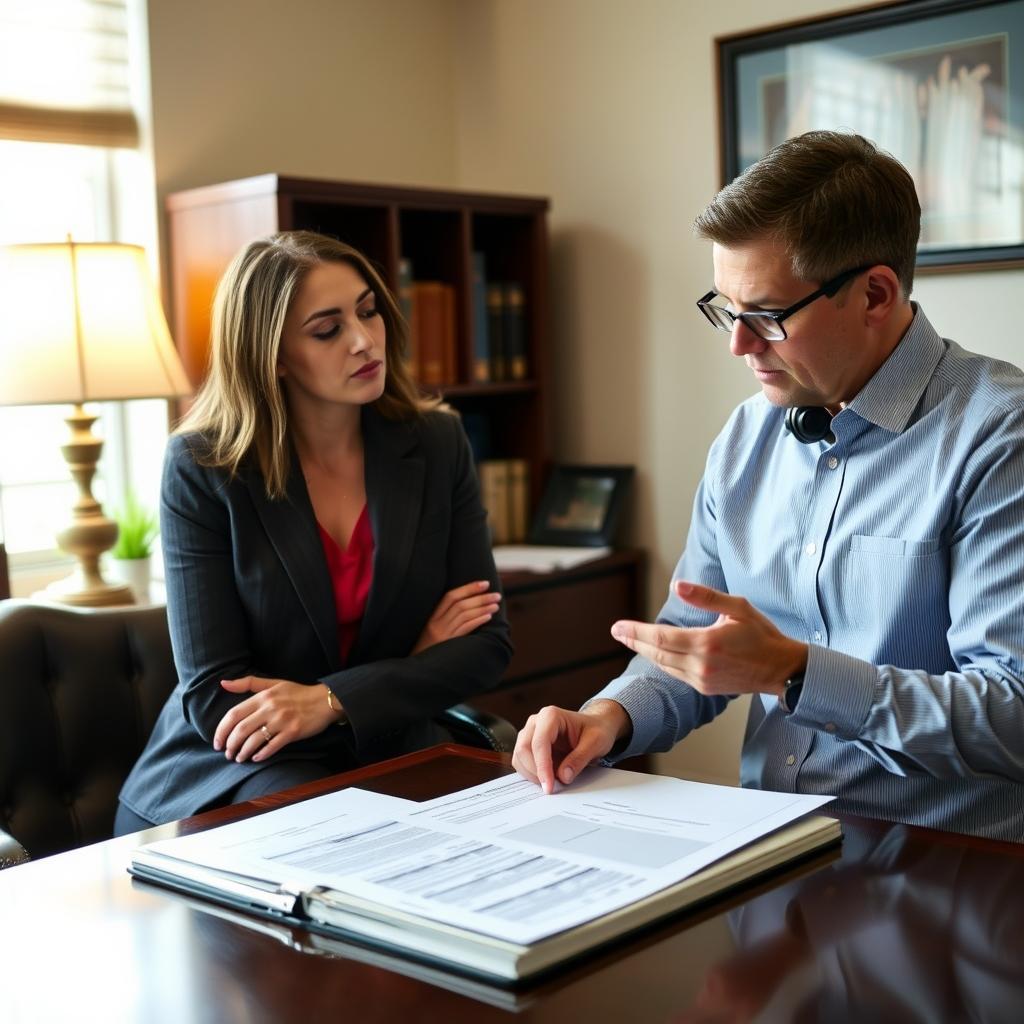
K-3 Spouse Visa Lawyer Goochland County, VA
Navigating the K‑3 spouse visa process from Goochland County requires a clear understanding of USCIS procedures
and federal immigration regulations. Law Offices Of SRIS, P.C., practicing since 1997, helps spouses of
U.S. Citizens secure authorization to enter the United States while the underlying immigrant visa petition is pending.
Mr. Sris and the firm’s Of Counsel attorneys assist clients with preparing and filing Form I‑129F, coordinating
consular processing, and responding to any requests for evidence issued by immigration authorities. If you are a
U.S. Citizen living in Goochland County, Virginia, and your spouse resides abroad, our firm can guide you through
each step of the K‑3 pathway. Reach our firm at (888) 437‑7747 to request a consultation. Law Offices Of SRIS, P.C. – Advocacy Without Borders.
What a K‑3 Spouse Visa Means in Goochland County
The K‑3 classification, established under 8 U.S.C. § 1101(a)(15)(K), is a nonimmigrant visa that allows the
foreign‑national spouse of a United States citizen to enter the country while the family‑based immigrant visa petition
(Form I‑130) is still being adjudicated. The practical benefit is that it can shorten the period of physical separation
for married couples, providing a bridge until the spouse becomes a lawful permanent resident. For families in
Goochland County, where access to major immigration processing centers requires some travel, having experienced
guidance through the procedural steps is particularly valuable.
Residents of Goochland County and the surrounding communities of Crozier and Oilville file K‑3 applications
through the USCIS Washington District Office located on Prosperity Avenue in Fairfax, Virginia. Although no
local courthouse handles the visa petition itself—immigration jurisdiction is exclusively federal—the firm’s
Richmond location at 7400 Beaufont Springs Drive, Suite 300, Room 395, Richmond, VA 23225, is readily
accessible to clients in the county. The firm’s attorneys are familiar with the regional USCIS offices and
consular posts where Goochland County applicants process their cases, including the U.S. Consulates abroad that
conduct the final visa interview. Because K‑3 eligibility depends on the timely filing of both the I‑130 and the
I‑129F, and the intersection of those two petitions is governed by detailed regulations, the firm reviews each
client’s situation to identify the most efficient route toward family reunification under current USCIS policy.
How Mr. Sris and the Firm’s Of Counsel Attorneys Handle K‑3 Visa Cases
The firm’s approach to K‑3 spouse visa matters begins with a thorough evaluation of the U.S. Citizen
petitioner’s status and the foreign spouse’s immigration history. Mr. Sris and the firm’s Of Counsel attorneys
verify that a valid marriage exists under the law of the place where it was celebrated, confirm that any prior
marriages have been legally terminated, and determine whether any grounds of inadmissibility may affect the
beneficiary. Once eligibility is established, the team prepares and files Form I‑130 (Petition for Alien
Relative) with USCIS, followed by Form I‑129F (Petition for Alien Fiancé(e) for the K‑3 category). This
sequential filing is critical because the I‑129F cannot be approved until the I‑130 is received, and careful
tracking of receipt notices avoids procedural missteps.
After USCIS approves both petitions, the case is forwarded to the National Visa Center and then to the U.S. Embassy or consulate in the spouse’s home country. The firm assists with assembling the required civil
documents, preparing the affidavit of support (Form I‑864), and coaching the applicant for the consular
interview. If USCIS issues a request for evidence or if the consular officer raises questions about the
bona fides of the marriage, the firm responds with targeted documentation. Throughout the process,
Mr. Sris and the firm’s Of Counsel attorneys keep clients informed of case status and advise on realistic
timelines, recognizing that processing times vary depending on the USCIS service center and consular
workload. When a K‑3 visa is granted, the spouse enters the United States and may apply for work
authorization by filing Form I‑765; the firm can continue to assist with adjustment of status or other
immigration benefits once the I‑130 is ultimately approved.
About Mr. Sris and the Firm’s Of Counsel Attorneys
Mr. Sris, Owner and Founder of Law Offices Of SRIS, P.C., has practiced immigration law since the firm’s
inception in 1997. Admitted to the bars of Virginia, Maryland, the District of Columbia, New Jersey, and New
York, he concentrates on family‑based immigration matters including K‑3 spouse visas, fiancé visas,
adjustment of status, and consular processing. His background as a former prosecutor gives him a distinct
understanding of how government agencies evaluate applications, an insight that proves useful when
responding to USCIS inquiries and preparing clients for interviews that involve questions of admissibility.
The firm’s Of Counsel attorneys bring additional experience in immigration practice and regularly collaborate
on K‑3 visa cases. Collectively, the legal team handles all correspondence with USCIS, coordinates with the
National Visa Center, and interfaces with consular posts abroad. Clients in Goochland County benefit from
the firm’s multi‑state presence and its ability to track cases through federal offices in Virginia, while also
maintaining contact with consular sections overseas. The Richmond location serves as the primary point of
contact for residents of Goochland, Crozier, and Oilville, and all consultations are available by
appointment.
Frequently Asked Questions
What is a K‑3 spouse visa and how does it work?
A K‑3 visa allows the foreign‑national spouse of a U.S. Citizen to enter the United States while the Form I‑130 immigrant petition is pending, providing a way to shorten the period of physical separation. The U.S. Citizen petitioner files both the I‑130 and the I‑129F. When USCIS approves the I‑129F, the case moves to the National Visa Center and then to the consulate abroad for the visa interview. Once the spouse arrives, he or she can apply for work authorization and eventually adjust status to permanent residence. The K‑3 category is designed to bridge the time gap before the immigrant visa becomes available.
Who is eligible for a K‑3 spouse visa?
The U.S. Citizen must have a valid marriage to the foreign‑national spouse and must have filed Form I‑130 on the spouse’s behalf. The spouse must be physically outside the United States at the time of visa issuance. Both parties must be free to marry, meaning any previous marriages have been legally dissolved. There is no numerical cap on K‑3 visas, but the immigration benefit is only available if the I‑130 is still pending when the I‑129F is filed. A consultation can help determine whether other options, such as a K‑1 fiancé visa or direct consular processing of an immigrant visa, may be more appropriate for a particular situation.
How long does the K‑3 visa process take?
Processing times vary depending on the USCIS service center handling the petitions, the current workload at the National Visa Center, and the scheduling availability of the U.S. Consulate abroad. Some cases are completed in several months, while others may take longer if additional evidence is requested or if the consular post has a significant backlog. The firm monitors each case and can provide more specific updates once the receipt notices generate a case‑tracking number. Because the K‑3 pathway is intended to be faster than waiting for an immigrant visa alone, it remains a useful tool for many families.
Can I work in the United States on a K‑3 visa?
Yes, a K‑3 visa holder may apply for employment authorization by filing Form I‑765 after arriving in the United States. The work permit is typically processed within a few months, and once issued, it allows the spouse to accept employment with any U.S. Employer. The firm assists with the I‑765 application as part of the overall K‑3 representation, ensuring that the employment authorization request is supported by the required documentation. The work authorization remains valid while the immigrant visa petition is pending, and the spouse may renew it as necessary.
What documents are required for a K‑3 visa application?
The core documents include a completed Form I‑129F with supporting evidence of the marriage, a copy of the I‑130 receipt notice, proof of the U.S. Citizen’s status, and the foreign spouse’s civil records—such as birth certificate, marriage certificate, and police clearances. The consular interview will also require a valid passport, medical examination results, and photographs. The firm prepares the petition package to meet USCIS evidentiary standards, helping to reduce the chance of a request for evidence. Because the exact requirements can shift with policy changes, the firm reviews the current Department of State reciprocity schedule for the spouse’s country before finalizing the filing.
Why should I hire an immigration lawyer for a K‑3 visa instead of filing on my own?
An attorney can identify potential complications early—such as prior immigration violations, criminal history, or insufficient financial documentation—that might lead to a denial or significant delay if left unaddressed. The K‑3 process involves interaction with both USCIS and a U.S. Consulate abroad, each applying different regulations; a mistake in one stage can stall the entire case. Mr. Sris and the firm’s Of Counsel attorneys handle the preparation, filing, and follow‑up so that clients can focus on their families. If an unforeseen issue arises during the adjudication, the firm is positioned to respond promptly with a legal memorandum or additional evidence.
What happens after the K‑3 visa is issued?
Once the spouse enters the United States on a K‑3 visa, the next step is usually to apply for adjustment of status to lawful permanent resident once the I‑130 is approved. Until then, the spouse maintains K‑3 nonimmigrant status and can live and work in the country. If the I‑130 is denied while the spouse is in K‑3 status, the firm works to protect the spouse’s legal standing and explore alternative forms of relief. The goal is to transition smoothly from the temporary visa to permanent residence without gaps in status.
Related Immigration Practice Areas
Our firm handles immigration matters across Virginia, Maryland, the District of Columbia, New Jersey, and New York.
For further information about immigration representation in nearby counties, see our pages on:
Immigration Lawyer Fairfax County |
Immigration Lawyer Fairfax City |
Immigration Lawyer Falls Church |
Immigration Lawyer Prince William County |
Immigration Lawyer Manassas City
Attorney advertising. Prior results do not guarantee a similar outcome.
Results may vary.
Case results depend on a variety of factors unique to each case.