
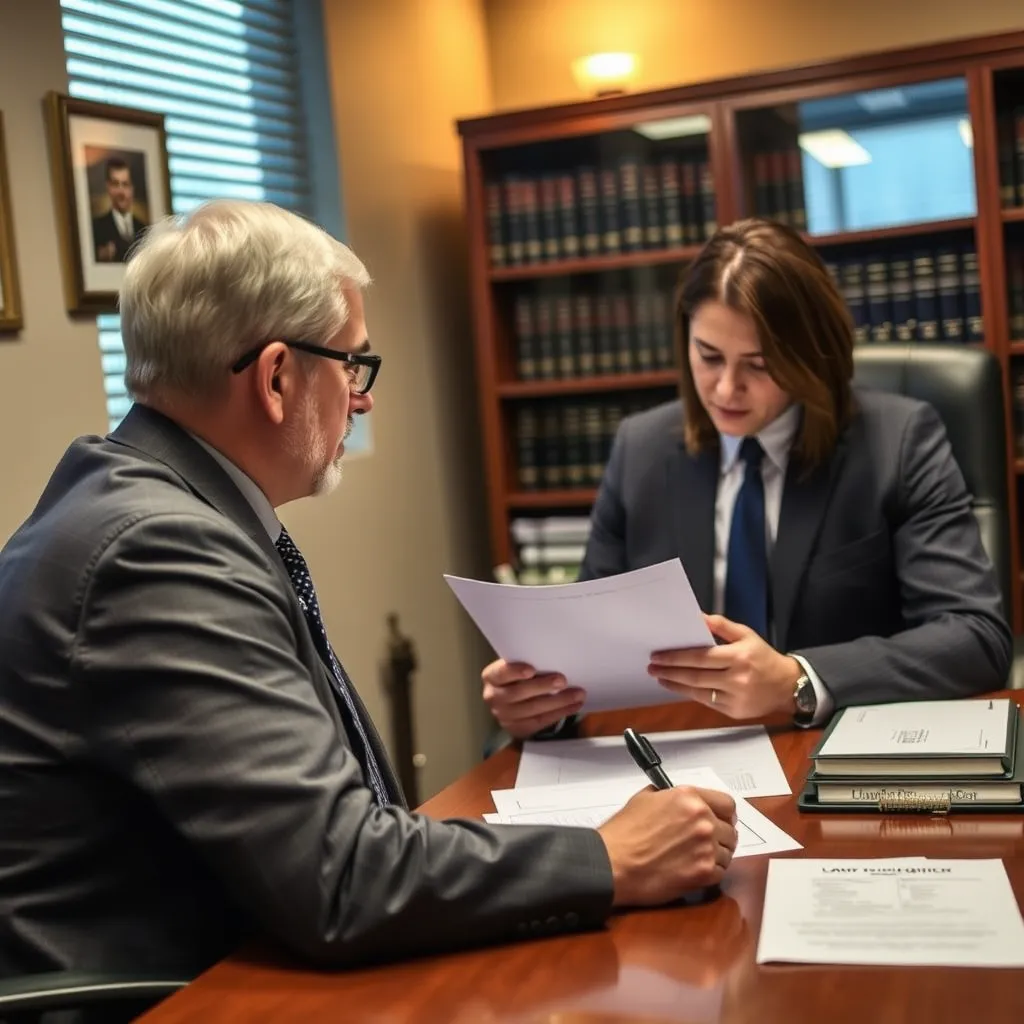
Felony Conviction Divorce Lawyer Henrico, VA
Divorce in Virginia can be pursued on no-fault grounds after a separation period, or on specific fault grounds. One fault ground, set out in Va. Code § 20-91(3), allows a spouse to file for divorce without any waiting period if the other spouse has been convicted of a felony and sentenced to confinement for more than one year. This ground requires no separation and no allegation of marital misconduct beyond the conviction itself. The divorce proceeds in the Henrico County Circuit Court at 4301 East Parham Road, Henrico, VA 23228. Mr. Sris and the firm’s Of Counsel attorneys represent clients throughout Henrico County in divorce and family law matters, including those involving felony conviction grounds. To request a consultation, call (888) 437-7747. Law Offices Of SRIS, P.C. – Advocacy Without Borders.
How Felony Conviction as a Ground for Divorce Operates Under Virginia Law
Virginia Code § 20-91 enumerates the grounds for divorce from the bond of matrimony. Subsection (3) permits a divorce when one spouse has been “sentenced to confinement for more than one year for a felony.” The filing spouse does not need to prove cruelty, adultery, or desertion—only the conviction and sentence that satisfy the statutory requirement. The divorce complaint is filed in the circuit court of the county or city where either spouse resides. For Henrico County residents, that is the Henrico County Circuit Court, which has exclusive original jurisdiction over divorce suits under Va. Code § 20-96.
Because a felony conviction divorce is a fault-based ground, the filing spouse may proceed immediately without the six-month or one-year separation period required for a no-fault divorce. The court will still need to address equitable distribution of marital property, spousal support if requested, and any custody or visitation issues if there are minor children. If the incarcerated spouse does not respond, the case may proceed on an uncontested basis, but service of process rules must be followed. A final divorce decree dissolves the marriage and resolves all ancillary economic and child-related issues.
Frequently Asked Questions About Felony Conviction Divorce in Henrico, VA
What is felony conviction as a ground for divorce in Virginia?
A spouse may file for divorce in Virginia when the other spouse has been convicted of a felony and sentenced to incarceration for more than one year. Unlike no-fault divorce, this ground does not require a period of separation. The filing spouse must show that the conviction is final and the sentence meets the one-year confinement threshold. The divorce is fault-based, which means the court does not need to wait. The complaint is filed in the circuit court. The ground is set out in Va. Code § 20-91(3).
Does the conviction need to be final before filing for divorce?
Yes. The felony conviction must be final and the sentence must exceed one year of confinement. A conviction on appeal that has not yet resulted in a final order may not satisfy the statutory requirement. The filing spouse should obtain a certified copy of the conviction order. If the conviction is later reversed, it could affect the divorce decree, but the party seeking to undo the divorce would need to petition the court. An experienced family law attorney can help verify that the conviction meets the statutory criteria before filing.
How does felony conviction divorce differ from a no-fault divorce in Virginia?
The primary difference is that no waiting period is required for a felony conviction divorce, whereas a no-fault divorce requires either a six-month or one-year separation. Under Va. Code § 20-91(9)(a)-(b), a no-fault divorce cannot be granted until the parties have lived separate and apart for one year, or six months if there are no minor children and the parties have a signed separation agreement. A felony conviction divorce allows the filing spouse to end the marriage immediately without any separation. However, the court still must resolve property division, support, and custody.
What must the filing spouse prove in a felony conviction divorce case?
The filing spouse must prove that the other spouse has been convicted of a felony and sentenced to confinement for more than one year. The proof typically comes from a certified copy of the conviction and sentencing order from the criminal court. The filing spouse does not need to prove any other fault such as adultery or cruelty. The divorce will be granted once the court is satisfied that the statutory requirement is met and the court has jurisdiction over the marriage. Other issues such as property and support are resolved under the same laws as any other divorce.
Can the incarcerated spouse contest the divorce?
Yes. An incarcerated spouse has the right to appear and contest the divorce, though practical difficulties exist. The incarcerated spouse must be served with the divorce complaint and given an opportunity to respond. If they fail to respond within the time allowed, the court may proceed by default. If they do respond, the case becomes contested and a hearing will be scheduled. The court can make arrangements for the incarcerated party to participate by telephone or video conference, or by having the party brought to court, depending on the facility and the judge’s practices.
What happens if the felony conviction is overturned on appeal after the divorce is granted?
If a felony conviction that served as the ground for divorce is later overturned, the divorce decree may be challenged. The spouse who used the conviction as the ground would need to petition the circuit court to set aside the divorce decree. The court would consider whether the divorce had been fully litigated and whether other grounds could have supported the divorce at the time. This is a fact‑specific inquiry. For this reason, some attorneys recommend relying on a no‑fault ground if both are available, but each case is different.
How does a felony conviction divorce affect property division in Virginia?
Virginia is an equitable distribution state; the court divides marital property based on statutory factors, not fault. While a felony conviction may be one of the circumstances the court considers under Va. Code § 20-107.3, it does not automatically award a larger share to the filing spouse. The court will classify assets as marital or separate, value them, and distribute equitably. The incarceration itself may complicate the division of property, particularly if the incarcerated spouse cannot participate actively in the case.
What about spousal support after a felony conviction divorce?
The court may award spousal support based on the factors in Va. Code § 20-107.1, not simply because the marriage ended on a fault ground. Fault can be considered when determining the amount and duration of support, but the court will also examine the financial resources of each party, the standard of living during the marriage, and the duration of the marriage. Incarceration typically limits the paying spouse’s ability to earn income, which may affect the amount and enforceability of a support award.
How is child custody handled when one parent is incarcerated for a felony?
Custody and visitation are determined under the trusted‑interests‑of‑the‑child standard, Va. Code § 20-124.3. Incarceration is a significant factor because it affects the parent’s ability to provide care and maintain a relationship with the child. The court may award sole custody to the non‑incarcerated parent, often with supervised or no visitation until the parent is released and able to participate. The incarcerated parent’s parental rights are not automatically terminated, and the court may enter a parenting plan that accounts for future reunification. India is not a signatory to the 1980 Hague Convention on Civil Aspects of International Child Abduction.
Do I need a lawyer to file a felony conviction divorce in Henrico?
You are not required to have a lawyer, but the process involves legal and procedural steps that benefit from representation. Filing in Henrico County Circuit Court requires a complaint that meets Virginia’s pleading rules, proper service on the incarcerated spouse, and often pendente lite motions for temporary support or custody. The court system expects compliance with local rules and deadlines. Mr. Sris and the firm’s Of Counsel attorneys have experience navigating these requirements and can help you proceed efficiently.
What is the role of the Henrico County Circuit Court in a felony conviction divorce?
The Henrico County Circuit Court has exclusive jurisdiction to hear the divorce complaint. The court is located at 4301 East Parham Road, Henrico, VA 23228. All divorce, equitable distribution, and spousal support issues are decided there. If there are separate custody or support matters that were filed in the Henrico Juvenile and Domestic Relations District Court, those may be consolidated or addressed in parallel proceedings. Mr. Sris and the firm’s Of Counsel attorneys appear regularly in Henrico County courts.
For a consultation, call (888) 437-7747.
About Mr. Sris and the Firm’s Of Counsel Attorneys
Mr. Sris, Owner and Founder of Law Offices Of SRIS, P.C., has practiced since 1997 and is a former prosecutor. He is admitted in Virginia, Maryland, the District of Columbia, New Jersey, and New York. Mr. Sris testified before the Virginia House Courts of Justice Committee in support of 2019 HB 635 (chief patron Del. David Bulova). The firm’s Of Counsel attorneys bring extensive combined legal experience in family law. Mr. Sris and the firm’s Of Counsel attorneys work to achieve favorable outcomes. Results may vary. Appointments are available at our Richmond location, serving Henrico County.
For a broader view of Virginia divorce grounds, visit our Virginia divorce practice. For general family law assistance in Henrico, see our Henrico family law page.
Outbound primary‑source references: Virginia Code Title 20 (Domestic Relations) | Henrico County Circuit Court
Case results depend on a variety of factors unique to each case.