
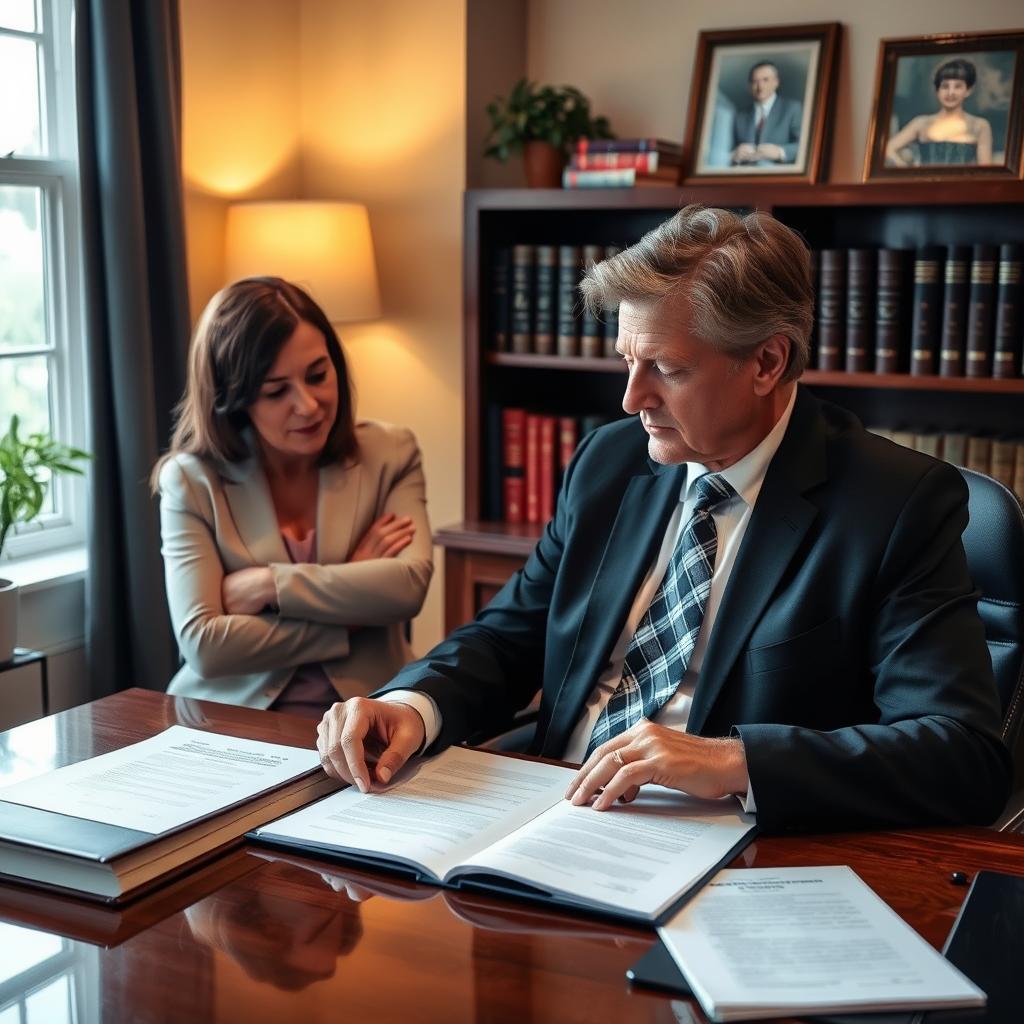
Charitable Trust Lawyer Powhatan County, VA
A charitable trust can be a powerful tool for aligning philanthropic goals with estate-planning objectives, but the drafting and administration of such trusts require a firm understanding of Virginia’s statutory framework. Under the Virginia Uniform Trust Code (Va. Code § 64.2-700 et seq.), charitable trusts are subject to specific formation rules, fiduciary duties, and court oversight that differ from other trust arrangements. In Powhatan County, matters involving charitable trusts—whether creating a new trust, modifying an existing one, or litigating a breach of fiduciary duty—are heard in the Powhatan County Circuit Court, which administers probate and trust matters through its clerk. Mr. Sris and the firm’s Of Counsel attorneys practice in trust and estate law across Virginia and are experienced in handling charitable trust matters for clients in Powhatan County, from initial drafting through court proceedings. To discuss a charitable trust or related estate-planning concern, reach Law Offices Of SRIS, P.C. at (888) 437-7747. Law Offices Of SRIS, P.C. – Advocacy Without Borders.
What Charitable Trust Matters Mean in Powhatan County
Powhatan County, located west of Richmond within the Twelfth Judicial District, is a rural community where many families and landowners seek to incorporate charitable giving into their estate plans. The Powhatan County Circuit Court, located at 3834 Old Buckingham Rd, Suite C, Powhatan, VA 23139, has jurisdiction over trust creation, modification, termination, and disputes involving charitable trusts. Because the court applies the Virginia Uniform Trust Code, the rules governing a charitable trust’s validity, the trustee’s duties, and the rights of the Attorney General (who represents the public’s interest in charitable assets) are the same as in any other Virginia locality. However, local procedural practices—such as how the clerk’s office processes probate and trust filings, the schedule of docket calls, and the availability of local counsel familiar with Powhatan County’s bench—can influence how efficiently a matter moves forward. Having an attorney who understands both the substantive trust law and the practical rhythms of the Powhatan County Circuit Court can help avoid procedural missteps and unnecessary delay.
Charitable trusts in Virginia may be created during a grantor’s lifetime or through a will. The trust must have a charitable purpose that is recognized under Virginia law—such as relief of poverty, advancement of education or religion, promotion of health, or other purposes beneficial to the community. The trust instrument must meet the same execution formalities as any other express trust. Once established, the trustee is held to fiduciary duties of loyalty, prudence, and impartiality, and must administer the trust in accordance with its terms and the Uniform Trust Code. In Powhatan County, the Circuit Court may be called upon to interpret ambiguous trust language, approve a deviation from the trust’s terms under the doctrine of cy pres when the original charitable purpose becomes impossible or impracticable, or address allegations of trustee misconduct. Mr. Sris and the firm’s Of Counsel attorneys practice in these areas and are prepared to assist clients in Powhatan County with both transactional and litigation aspects of charitable trusts.
How Mr. Sris and the Firm’s Of Counsel Attorneys Handle Charitable Trust Cases
Mr. Sris and the firm’s Of Counsel attorneys take a detail-oriented approach to charitable trust matters. For clients creating a charitable trust, the process begins with a thorough discussion of the client’s philanthropic goals, the intended beneficiaries, the assets to be placed in trust, and the tax implications. The firm drafts trust instruments that comply with the Virginia Uniform Trust Code and that clearly define the trustee’s powers and the charitable purpose, reducing the likelihood of future disputes. When a charitable trust is already in existence and requires administration, the firm advises trustees on their fiduciary obligations, including record-keeping, investment management, and distribution decisions, to help minimize personal liability. If a dispute arises—whether among co-trustees, between a trustee and the Attorney General, or between the trust and third parties—the firm appears in Powhatan County Circuit Court to advocate for the client’s position while respecting the special oversight role the Commonwealth plays in charitable matters.
Because charitable trusts often implicate federal tax law as well as Virginia trust law, Mr. Sris and the firm’s Of Counsel attorneys also work with clients to structure trusts that qualify for the applicable charitable deductions under the Internal Revenue Code. The firm reviews the interplay between the charitable trust and the client’s broader estate plan, including the potential use of charitable remainder trusts or charitable lead trusts to achieve income, gift, and estate tax objectives. Throughout the engagement, the firm communicates with clients in plain language, explaining procedural milestones, court scheduling, and potential outcomes without relying on legal jargon. Each matter is handled by attorneys who are familiar with the Powhatan County Circuit Court and who can present the case effectively before the presiding judge. To request a consultation about a charitable trust, contact Law Offices Of SRIS, P.C. at (888) 437-7747.
About Mr. Sris and the Firm’s Of Counsel Attorneys
Mr. Sris, Owner and Founder of Law Offices Of SRIS, P.C., practices in trust and estate matters and has more than two decades of legal experience. Admitted in Virginia, Maryland, the District of Columbia, New Jersey, and New York, he is a former prosecutor whose practice now includes civil litigation and transactional work for individuals and families across multiple states. Mr. Sris testified before the Virginia House Courts of Justice Committee in support of 2019 HB 635 (chief patron Del. David Bulova). His practice in Powhatan County includes charitable trust creation, modification, and dispute resolution, drawing on a working knowledge of the Virginia Uniform Trust Code and the practical demands of the local court system. Mr. Sris keeps his caseload manageable so he can remain directly involved in each client’s matter.
The firm’s Of Counsel attorneys bring additional experience to trust and estate matters. They assist with document drafting, legal research, court appearances, and client communication. All Of Counsel attorneys are independent practitioners who contract with Law Offices Of SRIS, P.C., and they work collaboratively with Mr. Sris to handle cases in Powhatan County and throughout Virginia. The firm also maintains the ability to serve clients in Spanish and Tamil, which may be helpful for multilingual families planning charitable gifts. Because the firm has a Richmond Location at 7400 Beaufont Springs Drive, Suite 300, Room 395, Richmond, VA 23225, clients in Powhatan County can schedule appointments by calling (888) 437-7747.
Frequently Asked Questions
What is a charitable trust under Virginia law?
A charitable trust is an express trust created for a charitable purpose recognized by law, such as the relief of poverty, advancement of education, or promotion of health. Under the Virginia Uniform Trust Code, a charitable trust must have a definite charitable purpose and identifiable beneficiaries (which may be a class of persons or the general public). The Virginia Attorney General has standing to enforce the trust and protect the public’s interest. Charitable trusts may be created during life or by will, and they are subject to the same fiduciary standards as other trusts, including the duties of loyalty and prudence. If the original charitable purpose becomes impossible or impracticable, a court may modify the trust under the cy pres doctrine to carry out the grantor’s general charitable intent. To discuss creating a charitable trust in Powhatan County, contact Law Offices Of SRIS, P.C. at (888) 437-7747.
Do I need a lawyer to create a charitable trust in Powhatan County?
Virginia law does not require that a lawyer draft a charitable trust, but legal guidance helps ensure the document satisfies statutory formalities, achieves the intended tax treatment, and withstands a potential challenge. Charitable trusts must comply with the Virginia Uniform Trust Code, which imposes specific requirements for creation, validity, and administration. A drafting error can lead to ambiguity, unintended tax consequences, or even a finding that the trust is void. Additionally, if the trust is created through a will, the will must be probated in the Powhatan County Circuit Court, and any mistakes in the will may affect the trust’s validity. For guidance on your specific situation, reach Law Offices Of SRIS, P.C. at (888) 437-7747.
How does the Powhatan County Circuit Court handle charitable trust disputes?
Charitable trust disputes in Powhatan County are heard in the Circuit Court, which applies the Virginia Uniform Trust Code and Virginia common law to resolve issues such as trustee removal, breach of fiduciary duty, and interpretation of the trust instrument. Because the Virginia Attorney General is a necessary party in many charitable trust proceedings, the court ensures that the public’s interest in the charitable assets is represented. Litigation typically proceeds through pleadings, discovery, and trial, although mediation is sometimes explored. The timeline depends on the complexity of the issues, the court’s docket, and whether interlocutory orders—such as temporary restraining orders to freeze trust assets—are sought. To discuss a potential dispute, contact Law Offices Of SRIS, P.C. at (888) 437-7747.
Can a charitable trust be modified after it is created?
A charitable trust may be modified by a Virginia court under the doctrine of cy pres if the original charitable purpose becomes unlawful, impracticable, impossible to achieve, or wasteful. The court must find that the grantor had a general charitable intent—not merely a specific purpose—before it can direct application of the trust property to a different charitable purpose that approximates the original one. In addition, the Virginia Uniform Trust Code permits modification of an irrevocable trust in certain circumstances when the grantor and all qualified beneficiaries consent, though this option is rarely available for charitable trusts because the Attorney General must also consent on behalf of the public. For a consultation, reach Mr. Sris and the firm’s Of Counsel attorneys at (888) 437-7747.
What are the tax benefits of a charitable trust in Virginia?
A charitable trust may provide federal income, gift, and estate tax deductions for contributions of property to the trust, provided the trust qualifies as a charitable organization under the Internal Revenue Code. Virginia does not impose a state estate tax, so the primary tax benefit is at the federal level. A charitable remainder trust, for instance, can pay income to a non-charitable beneficiary for a term of years, with the remainder passing to a charity, offering an immediate charitable deduction for the present value of the remainder interest. A charitable lead trust pays an annuity to a charity for a period and then distributes the remainder to non-charitable beneficiaries, potentially reducing gift or estate tax on the transfer. The specific tax treatment depends on the trust’s terms and the donor’s overall estate plan. To discuss the details of your matter, contact Law Offices Of SRIS, P.C. at (888) 437-7747.
How do I choose a trustee for a charitable trust in Powhatan County?
Selecting a trustee for a charitable trust involves evaluating the candidate’s financial acumen, familiarity with Virginia trust law, willingness to comply with fiduciary duties, and ability to carry out the charitable purpose. A trustee may be an individual, a bank or trust company, or a combination. Under the Virginia Uniform Trust Code, a trustee must administer the trust in good faith, in accordance with its terms and purposes, and in the interests of the beneficiaries. For charitable trusts, the trustee also must respect the Attorney General’s oversight role. It is prudent to choose a trustee who understands the local court system in Powhatan County, as administration may involve court filings or accountings. For guidance on your specific situation, reach Law Offices Of SRIS, P.C. at (888) 437-7747.
What happens if a charitable trust’s purpose becomes outdated?
If a charitable trust’s purpose becomes outdated or impossible to fulfill, a Virginia court may apply the cy pres doctrine to redirect the trust property to a similar charitable purpose that aligns with the grantor’s general intent. The Attorney General must receive notice and may participate in the proceeding to protect the public’s interest. The court will examine the trust instrument and any extrinsic evidence to determine whether the grantor had a general charitable intent, as opposed to a narrow, specific purpose that, if frustrated, would cause the trust to fail and the property to revert to the grantor’s estate. This process requires a petition filed in the Powhatan County Circuit Court. To discuss the details of your matter, contact Law Offices Of SRIS, P.C. at (888) 437-7747.
For additional reading, the following resources provide primary-source information about Virginia trust and charitable law:
- Virginia Uniform Trust Code (Va. Code § 64.2-700 et seq.)
- Virginia State Corporation Commission – Business Entity Filings (for charitable organizations)
- Virginia Judicial System
Related pages
Trust & Estate Lawyer Fairfax County, VA |
Trust & Estate Lawyer Prince William County, VA |
Trust & Estate Lawyer Manassas, VA |
Trust & Estate Lawyer Fairfax City, VA
Attorney advertising. Prior results do not guarantee a similar outcome. Results may vary.
Case results depend on a variety of factors unique to each case.