
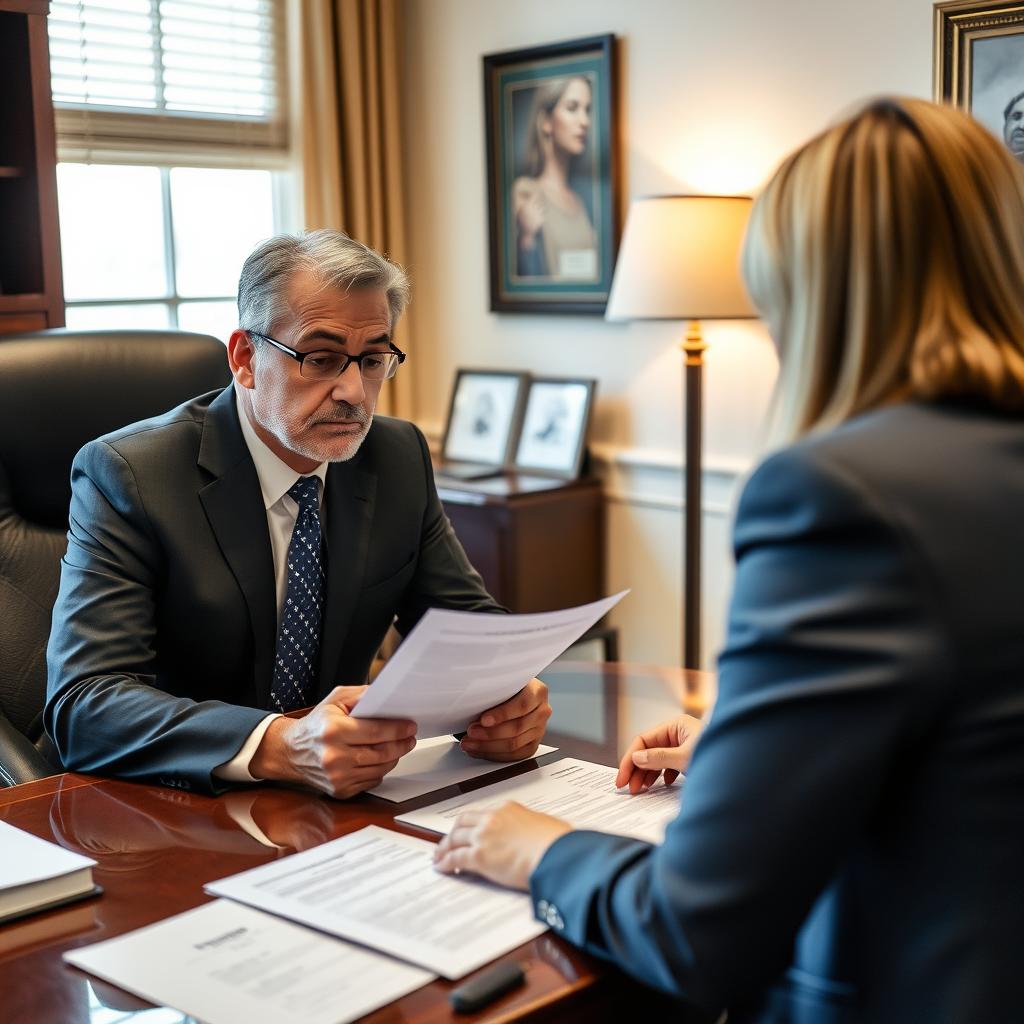
Aiding Preparation of False Tax Return lawyer Powhatan County, VA
When the IRS Criminal Investigation Division (IRS‑CI) or a federal prosecutor opens an investigation into the preparation of a tax return, the stakes are immediate and serious. Aiding or assisting the filing of a false document with the Internal Revenue Service is a federal felony under 26 U.S.C. § 7206(2), and the case is prosecuted by the United States Attorney’s Office in the Eastern District of Virginia—a district known for its swift docket and high conviction rates. If you are a resident of Powhatan County or the surrounding central Virginia communities, the matter will be handled in the Richmond Division of the U.S. District Court for the Eastern District of Virginia. An active, well-prepared defense is essential from the first contact with federal agents. Mr. Sris, Owner and Founder of Law Offices Of SRIS, P.C., is a former prosecutor who concentrates a significant portion of his practice on federal criminal defense. He and his Of Counsel team bring multi‑state experience to cases arising in Powhatan County and throughout Virginia, Maryland, the District of Columbia, New Jersey, and New York. For a confidential consultation about an aiding preparation of false tax return investigation or charge, reach Law Offices Of SRIS, P.C. at (888) 437‑7747. Law Offices Of SRIS, P.C. – Advocacy Without Borders.
What Federal Criminal Charges Mean in Powhatan County
Aiding preparation of a false tax return is not a state‑level offense. It is prosecuted exclusively in the federal court system, and for Powhatan County residents, that means the Richmond Division of the U.S. District Court for the Eastern District of Virginia. This court has jurisdiction over the entire central Virginia region, including the communities of Powhatan, Moseley, Flat Rock, and Huguenot Springs. Because Powhatan County is part of the Eastern District’s Richmond Division, a person facing a federal tax charge will appear before a United States Magistrate Judge for an initial appearance and detention hearing, and, if the case proceeds to trial, before a United States District Judge.
Federal criminal proceedings differ from state court in several material ways. The IRS Criminal Investigation Division often spends months or years building a case before seeking an indictment. Federal prosecutors present evidence to a grand jury, and an indictment is required for felony charges. Once an indictment is returned, the Speedy Trial Act sets a framework that moves cases forward more quickly than many state courts, and the Eastern District of Virginia’s long‑standing reputation for efficiency means that defense counsel must be prepared to act without delay. The federal sentencing guidelines apply, and there is no parole in the federal system. These realities make early engagement with an attorney who is experienced in federal court crucial.
How Mr. Sris and His Of Counsel Handle Federal Criminal Cases
When an individual in Powhatan County is under investigation for aiding preparation of a false tax return, the first priority is to prevent a charge from being filed. Mr. Sris and his Of Counsel work to intervene at the pre‑indictment stage whenever possible, engaging with the investigating agency and the U.S. Attorney’s Office to present mitigating facts, voluntary compliance efforts, and legal arguments that may persuade the government not to seek an indictment. Because Mr. Sris is a former prosecutor, he understands how charging decisions are made and what arguments resonate with federal prosecutors.
If an indictment has already been returned, the focus shifts to building a thorough defense. The team examines the government’s evidence, including tax returns, bank records, communications, and witness statements, to identify weaknesses in the prosecution’s case. Federal tax charges often turn on whether the defendant acted willfully—that is, whether they intentionally violated a known legal duty. Mistakes, sloppy bookkeeping, or reliance on a tax professional’s advice can negate willfulness. Mr. Sris and his Of Counsel evaluate every avenue for challenging the element of willfulness, moving to suppress evidence when appropriate, and preparing for trial while simultaneously exploring plea negotiations that, under the advisory sentencing guidelines, may achieve a substantial reduction in exposure. Throughout the process, clients are kept informed of the procedural posture of the case and the realistic options available at each stage.
About Mr. Sris and His Of Counsel Team
Mr. Sris, Owner and Founder of Law Offices Of SRIS, P.C., has practiced law since 1997. He is a former prosecutor who brings firsthand insight into the government’s case‑building process to every federal criminal matter he handles. Mr. Sris testified before the Virginia House Courts of Justice Committee in support of 2019 HB 635 (chief patron Del. David Bulova). He is admitted to practice in Virginia, Maryland, the District of Columbia, New Jersey, and New York. He concentrates a substantial part of his practice on federal criminal defense, including tax‑related charges investigated by the IRS Criminal Investigation Division.
Mr. Sris is supported by a team of Of Counsel attorneys who are engaged through Excella. They bring multi‑state experience to the firm’s federal practice. The collective approach ensures that every client benefits from a reservoir of litigation experience, and that a case is never dependent on a single attorney’s availability. For Powhatan County residents facing a federal tax charge, Mr. Sris and his Of Counsel provide representation that is grounded in decades of courtroom practice and a thorough understanding of the Eastern District of Virginia.
Frequently Asked Questions
What does aiding preparation of a false tax return mean under federal law?
Aiding preparation of a false tax return means willfully assisting another person in filing a return, statement, or other document with the IRS that is not true as to any material matter. The statute, 26 U.S.C. § 7206(2), does not require that the person charged received any tax benefit; it is enough that they helped prepare a document they knew was false. The IRS Criminal Investigation Division investigates these cases, and the U.S. Attorney’s Office prosecutes them. Because willfulness is a key element, a defense often focuses on whether the accused acted knowingly or merely made a mistake.
What are the potential consequences of an aiding preparation conviction in federal court?
A conviction under 26 U.S.C. § 7206(2) carries a maximum prison term of three years, a substantial fine, and a term of supervised release. The actual sentence is determined by the United States Sentencing Guidelines, which consider the loss amount, the sophistication of the offense, and the defendant’s role. Restitution to the IRS is often ordered. There is no parole in the federal system, though good‑time credit can reduce the time served. A felony conviction also carries collateral consequences, including loss of certain professional licenses and damage to reputation.
How does a federal tax case proceed in the Eastern District of Virginia?
A federal tax case typically begins with an investigation by the IRS Criminal Investigation Division or another agency, followed by an indictment from a grand jury, an initial appearance, arraignment, discovery, pretrial motions, trial, and, if convicted, sentencing. The Richmond Division of the U.S. District Court for the Eastern District of Virginia moves cases efficiently, and the Speedy Trial Act sets a general framework that trial should begin within 70 days of indictment, though excludable delays are common. An experienced federal defense attorney guides the accused through each step and identifies strategic opportunities at the earliest possible stage.
Do I need a lawyer if the IRS only wants to talk to me about a tax return I prepared?
You have the right to consult an attorney before answering any questions from federal agents, and exercising that right is strongly advisable. IRS‑CI special agents are trained to obtain statements that can later be used in a criminal prosecution. Even a seemingly innocent conversation can give the government evidence of knowledge or willfulness. Retaining counsel before speaking with investigators allows an attorney to assess the situation, communicate with the government on your behalf, and protect your interests from the outset.
Can the government prove the charge if I made an honest mistake on the return?
The government must prove beyond a reasonable doubt that you acted willfully—that you knew the return was false and intentionally helped file it anyway. Honest errors, reliance on a tax professional’s advice, or negligence without the intent to violate the law are defenses to the charge. Mr. Sris and his Of Counsel carefully examine the facts to determine whether the evidence supports an inference of willfulness or whether the government’s case is based on a misunderstanding or over‑active investigation.
How do I find a federal criminal defense lawyer in Powhatan County, VA?
If you are seeking an attorney who handles aiding preparation of false tax return cases in Powhatan County, look for a lawyer with federal court experience, familiarity with the Eastern District of Virginia, and a background that includes both prosecution and defense. Mr. Sris is a former prosecutor who has practiced federal criminal defense since 1997. His Richmond Location serves clients in Powhatan County and the surrounding central Virginia region. To request a consultation, contact Law Offices Of SRIS, P.C. at (888) 437‑7747.
Other Virginia federal criminal defense pages:
Fairfax County federal criminal defense |
Prince William County federal criminal defense |
Manassas federal criminal defense |
Falls Church federal criminal defense
Virginia primary legal resources:
Virginia Judicial System |
U.S. District Court for the Eastern District of Virginia |
IRS Criminal Investigation
Attorney advertising. Prior results do not guarantee a similar outcome. Results may vary.
Case results depend on a variety of factors unique to each case.