
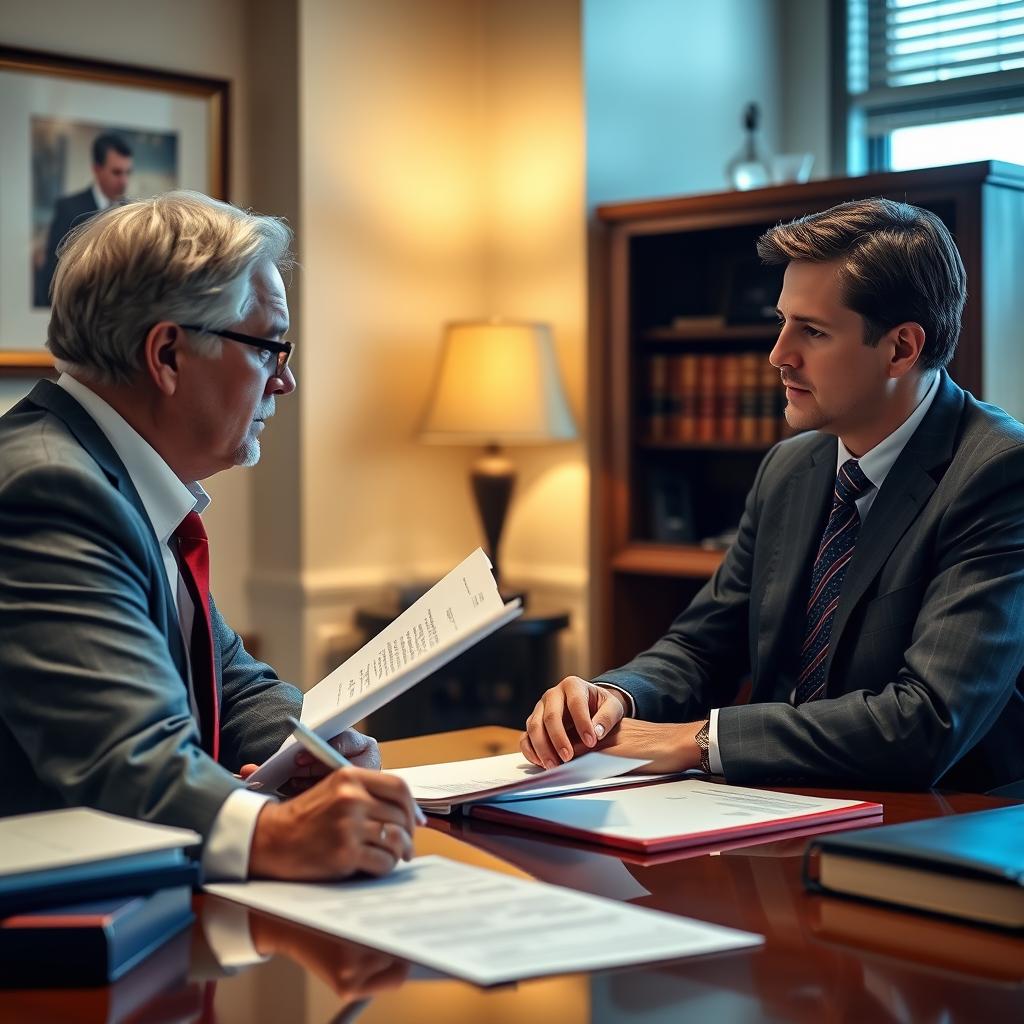
Aiding Preparation of False Tax Return lawyer New Kent County, VA
If you are being investigated for, or have been charged with, aiding or assisting in the preparation of a false federal tax return, the potential consequences include a felony conviction, federal prison time, heavy fines, and a permanent criminal record. Federal tax crimes are prosecuted actively by the U.S. Attorney’s Office for the Eastern District of Virginia—the district that encompasses New Kent County. When the IRS Criminal Investigation Division builds a case against a tax preparer, business owner, or individual, it moves methodically. An early, informed defense matters. Mr. Sris, a former prosecutor and the Owner and Founder of Law Offices Of SRIS, P.C., works with Of Counsel who are experienced in federal criminal defense to protect the rights of clients in New Kent County and across Virginia. The firm’s 11 documented case results in New Kent County—including dismissals and reductions—reflect extensive combined legal experience between Mr. Sris and his Of Counsel. Results may vary. For a confidential consultation, reach Law Offices Of SRIS, P.C. at (888) 437-7747. Law Offices Of SRIS, P.C. – Advocacy Without Borders.
What Federal Aiding Preparation of False Tax Return Means in New Kent County
The federal offense of aiding or assisting in the preparation or presentation of a false tax return is charged under 26 U.S.C. § 7206. The government must prove beyond a reasonable doubt that a person willfully helped prepare or file a return, statement, or other document knowing it was false as to a material matter. The statute covers more than just signing a return—it can reach accountants, bookkeepers, office managers, and anyone who supplies false figures or conceals income. An aiding-preparation charge is a felony, carrying a maximum prison term of three years, along with supervised release, fines, and restitution. Because federal sentencing guidelines impose punishment based on the tax loss and the defendant’s role in the offense, the recommended sentence in a particular case can vary substantially.
For a resident of New Kent County or a business operating in Providence Forge, Quinton, or along the I‑64 corridor, a federal tax investigation often begins quietly—perhaps with a subpoena to a bank or a visit from IRS special agents. Once the case moves to the U.S. District Court for the Eastern District of Virginia, it will be heard in the Richmond Division, which is the nearest federal courthouse for New Kent County matters. Federal judges in the Eastern District apply the U.S. Sentencing Guidelines, and, critically, there is no parole in the federal system. A conviction almost inevitably means serving a substantial portion of any custodial sentence. Throughout the process—from grand jury investigation through detention hearing, arraignment, discovery, plea negotiations, and possible trial—having counsel who is familiar with the rhythms of the Eastern District and the practices of the U.S. Attorney’s Office can make a meaningful difference.
How Mr. Sris and His Of Counsel Handle Federal Tax Return Cases
Federal tax prosecutions are document-intensive and often turn on whether the government can prove willfulness—that the accused acted voluntarily and with knowledge that the return was materially false. Mr. Sris and his Of Counsel team begin by examining every piece of the government’s evidence: the allegedly false returns, the underlying books and records, and the communications between the preparer, the taxpayer, and third parties. They look for alternative explanations that undercut the government’s claim of willful falsehood, such as reliance on the taxpayer’s own representations, computational errors, or ambiguous legal guidance. Where the evidence warrants, they work to persuade the prosecutor that the case should not be charged, or that it can be resolved through a misdemeanor or a pretrial diversion agreement rather than a felony indictment.
If charges have already been filed, the focus shifts to challenging the indictment’s legal sufficiency, contesting improper evidence, and, when appropriate, negotiating a plea that limits exposure. Mr. Sris, whose prosecutorial background gives him insight into building and dismantling a government case, and his Of Counsel prepare every matter as though it will go to trial, even while pursuing favorable resolutions short of trial. Sentencing advocacy in a federal tax case demands a careful presentation of mitigating facts under the advisory guidelines, and the team marshals financial and personal-history evidence to argue for a below-guideline sentence or a non-custodial alternative when possible. Because federal sentencing offers no parole, each sentencing argument is built with the recognition that the custody term imposed is the one the client will serve.
About Mr. Sris and His Of Counsel Team
Mr. Sris, Owner and Founder of Law Offices Of SRIS, P.C., has been representing clients in federal and state matters since 1997. He is admitted to practice in Virginia, Maryland, the District of Columbia, New Jersey, and New York, and draws on his experience as a former prosecutor to evaluate how the government is likely to build its case and which defenses have the trusted chance to succeed. Mr. Sris testified before the Virginia House Courts of Justice Committee in support of 2019 HB 635 (chief patron Del. David Bulova). The firm’s Of Counsel attorneys are non‑employee attorneys engaged through Excella. Together, Mr. Sris and his Of Counsel bring extensive combined legal experience to federal criminal matters. The firm has locations in Virginia, Maryland, New Jersey, New York, and Colombia, and its Richmond location serves clients throughout New Kent County and Central Virginia. To request a consultation, call (888) 437-7747.
Frequently Asked Questions
What is the crime of aiding preparation of a false tax return?
It is a federal felony to willfully assist, advise, or help prepare a tax return that is false as to a material matter. Under 26 U.S.C. § 7206, the government does not need to prove the defendant personally signed the return—only that the person knowingly helped create or submit a document that contains materially false information. Liability can extend to tax preparers, bookkeepers, business partners, and others who provide false figures or conceal income. A conviction can lead to imprisonment of up to three years, fines, supervised release, and restitution to the IRS.
How does a Virginia lawyer defend against this federal charge?
Defense strategies focus on challenging the government’s proof of willfulness, materiality, and the defendant’s knowledge. An experienced attorney may show that the accused relied in good faith on information provided by the taxpayer, that errors resulted from negligence rather than intentional falsehood, or that the disputed item was not material to the government’s tax determination. If the evidence of willfulness is strong, counsel may negotiate a plea to a lesser charge, seek a pretrial diversion agreement, or present a compelling sentencing mitigation package that highlights acceptance of responsibility, lack of prior history, and cooperation with authorities.
What are the penalties for aiding preparation of a false tax return?
The statutory maximum penalty is three years in federal prison, but the actual sentence is driven by the U.S. Sentencing Guidelines. The guidelines calculate an offense level based primarily on the tax loss associated with the false return and the defendant’s role. Additional enhancements may apply if the defendant used sophisticated means, obstructed justice, or derived substantial income from criminal activity. Fines, mandatory restitution, and a term of supervised release are customary. Because there is no parole in the federal system, a defendant will serve at least 85 percent of any imposed custodial term.
How long does a federal criminal case take in New Kent County?
The timeline varies significantly depending on the complexity of the investigation, the number of charges, and the defendant’s choices. A federal tax case in the Eastern District of Virginia may progress from indictment to sentencing in roughly twelve to eighteen months in a straightforward matter, but extensive document review, suppression motions, or multiple defendants can extend the process well beyond two years. The Speedy Trial Act imposes certain outer limits, but many delays are excludable. Mr. Sris and his Of Counsel give each client a realistic timeline assessment after reviewing the charging documents and the discovery.
Do I need a lawyer if I am being investigated for aiding a false return?
Yes, engaging federal defense counsel as early as possible is essential. Federal agents and prosecutors begin building their case long before an indictment is returned. What you say to investigators can be used against you, and the decision to charge is often influenced by whether a target can offer a credible defense narrative. An attorney can communicate with the government on your behalf, help you avoid making incriminating statements, preserve exculpatory evidence, and, in some cases, persuade the prosecutor not to pursue charges. Mr. Sris and his Of Counsel offer confidential consultations to assess your situation. Reach them at (888) 437-7747.
How much does a federal criminal lawyer cost?
Fee structures vary depending on the complexity of the case, the anticipated work, and whether the matter is likely to go to trial. Federal tax prosecutions typically require a substantial investment of attorney time for discovery review, motion practice, and—if the case proceeds to trial—preparation and court appearances. Many firms, including Law Offices Of SRIS, P.C., offer an initial consultation to discuss the scope of representation and the applicable fee arrangement. For a specific quote, contact the firm directly at (888) 437-7747.
Mr. Sris and his Of Counsel represent clients in federal criminal matters across Virginia. For assistance in nearby jurisdictions, see also Federal Criminal Lawyer Fairfax County, Federal Criminal Defense Prince William County, Federal Criminal Defense Fairfax City, and Federal Criminal Lawyer Manassas City.
Attorney advertising. Prior results do not guarantee a similar outcome. Results may vary.
Case results depend on a variety of factors unique to each case.