
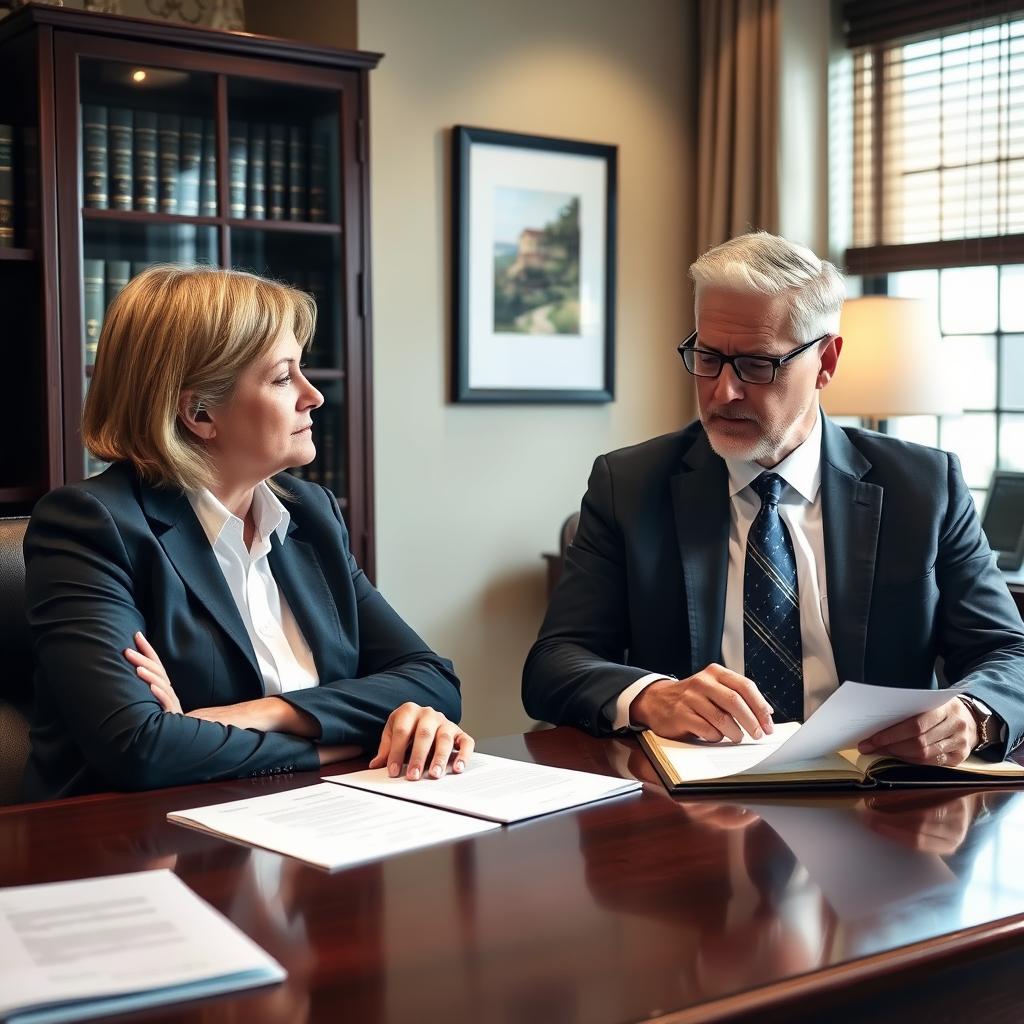
Adultery Divorce Lawyer Suffolk — What Are Your Legal Options?
Adultery is a fault-based ground for divorce in Virginia under Va. Code § 20-91, requiring no mandatory separation period. An experienced adultery divorce lawyer Suffolk from Law Offices Of SRIS, P.C. can help you handle the sensitive and complex legal process in Suffolk Circuit Court. Our firm has 9 documented case results in Suffolk across all practice areas.
Virginia Law on Adultery as a Ground for Divorce
In Virginia, adultery is a statutory fault ground for divorce. Unlike a no-fault divorce, which requires a separation period, a divorce based on adultery can be filed immediately if you have sufficient proof. The statute, Va. Code § 20-91, requires clear and convincing evidence of the extramarital relationship. This is a higher standard than a mere preponderance of the evidence. The accusing spouse (the plaintiff) bears the burden of proof. If adultery is proven, it can significantly impact other aspects of the divorce, such as spousal support (alimony) and the equitable distribution of marital assets. The court may consider marital misconduct when making these determinations.
Last verified: April 2026 | Suffolk Circuit Court | Virginia General Assembly
Official Legal Resources
For the official Virginia statute, see Va. Code § 20-91 (official Virginia General Assembly). For local court procedures, visit the Suffolk Circuit Court website.
handling an Adultery Divorce Case in Suffolk
The key local procedural fact for an infidelity divorce grounds lawyer Suffolk to understand is that Suffolk Circuit Court handles all divorce matters, including those based on fault grounds like adultery. Virginia law requires at least one corroborating witness for an uncontested divorce hearing, which can be particularly challenging in adultery cases where the conduct is often secretive. A property settlement agreement signed by both parties can resolve all issues without a public trial, which many clients prefer in these sensitive matters. The court at 150 North Main Street, Suite 2G, Suffolk, VA 23434 is where these cases are filed and heard.
- Consult with an Attorney: Discuss your situation confidentially with a lawyer experienced in fault-based divorces to understand the evidence required and potential outcomes.
- Gather and Preserve Evidence: Work with your attorney to collect any relevant proof, which may include communications, photographs, or witness statements, while adhering to legal privacy standards.
- File the Complaint for Divorce: Your lawyer will prepare and file the formal complaint citing adultery as the grounds in Suffolk Circuit Court, along with any requests for spousal support or equitable distribution.
- handle Discovery and Negotiation: The evidence will be formally exchanged with the other party. Your attorney will negotiate to reach a settlement on all issues, potentially avoiding a public trial.
- Proceed to Hearing or Trial (if necessary): If a settlement cannot be reached, your case will proceed to a court hearing where the evidence of adultery and all other matters will be presented before a judge for a final decision.
Potential Impacts and Considerations
In Suffolk, a divorce based on adultery can affect spousal support awards and the division of marital property under Virginia’s equitable distribution laws.
While Virginia is an equitable distribution state (not community property), a finding of adultery can influence the court’s discretion. The judge may consider the misconduct as a factor when determining a fair, but not necessarily equal, division of assets and debts. More significantly, adultery can be a bar to receiving spousal support for the spouse who committed the act. Conversely, it can be a factor in awarding support to the innocent spouse. Child custody is decided based on the best interests of the child under Va. Code § 20-124.3, and adultery is only relevant if it directly impacts the child’s welfare.
Results may vary. Prior results do not guarantee a similar outcome.
Why Choose Our Firm for Your Suffolk Adultery Divorce
Law Offices Of SRIS, P.C. was founded in 1997 by former prosecutor Mr. Sris. Our firm brings over 120 years of combined legal experience to every case. We understand the high emotional stakes and legal details involved when infidelity leads to divorce. Mr. Sris personally amended Virginia’s equitable distribution statute (Va. Code § 20-107.3), giving our team deep, firsthand knowledge of the laws that govern your case’s financial outcome.
Samantha Rae Powers, Associate Attorney at Law Offices Of SRIS, P.C. — Licensed in VA, FL. Experienced family law and civil litigator. View Samantha Rae Powers’s Profile
Case Results and Client Focus
Our firm has a documented record of 9 case results in Suffolk across all practice areas. In family law matters, our approach is to seek efficient resolutions that protect our clients’ privacy and priorities, whether through negotiated settlement or assertive litigation when necessary. We recognize that a cheating spouse divorce lawyer Suffolk must handle cases with both legal precision and personal discretion.
Results may vary. Prior results do not guarantee a similar outcome.
Contact Our Suffolk Adultery Divorce Lawyers
Law Offices Of SRIS, P.C.
Richmond Location — Serving Suffolk
7400 Beaufont Springs Dr, Suite 300, Rm 395
Richmond, VA 23225
Toll-Free: (888) 437-7747 | Local: (804)201-9009
By appointment only. 24/7 phone consultations.
Our Richmond location represents clients at Suffolk courts. We serve Suffolk, Harbour View, and North Suffolk. Contact a Suffolk adultery divorce lawyer near you for a confidential consultation.
Frequently Asked Questions: Adultery Divorce in Suffolk
Is adultery illegal in Virginia?
No. Adultery is not a criminal offense in Virginia for the purpose of divorce law; it is a civil fault ground for dissolving a marriage under Va. Code § 20-91.
How do you prove adultery in a Virginia divorce?
It depends. Proof must be clear and convincing, which is a high standard. Evidence can include direct admissions, photographs, electronic communications, witness testimony, or circumstantial evidence that leads to a strong inference of the relationship. An experienced attorney can advise on what evidence is admissible and sufficient for your case.
Can I get alimony if my spouse cheated?
Yes. A spouse who commits adultery may be barred from receiving spousal support. Conversely, the innocent spouse may have a stronger claim for support, as the adultery is one of the factors a Suffolk Circuit Court judge can consider under Va. Code § 20-107.1.
Does adultery affect child custody in Virginia?
It depends. Child custody is determined solely by the child’s best interests under Va. Code § 20-124.3. Adultery itself is not a direct factor unless the extramarital relationship negatively impacts the child’s safety or well-being. The court’s primary focus remains on parental fitness and the child’s needs.
How long does an adultery divorce take in Suffolk?
An uncontested adultery divorce with a signed settlement agreement may be finalized in 2-4 months. A contested divorce where adultery is disputed can take 9-18 months or longer, depending on the complexity of evidence and other issues like property division.
Internal Resources
For more on Virginia divorce law, see our Virginia Family Law Lawyer hub page. We also assist clients in nearby areas like Henrico County and Chesterfield County. If you are facing other legal issues in Suffolk, consider our Suffolk Criminal Defense Lawyer or Suffolk Personal Injury Lawyer.
Page last verified and updated: April 2026. Laws change. For current guidance, contact Law Offices Of SRIS, P.C.