
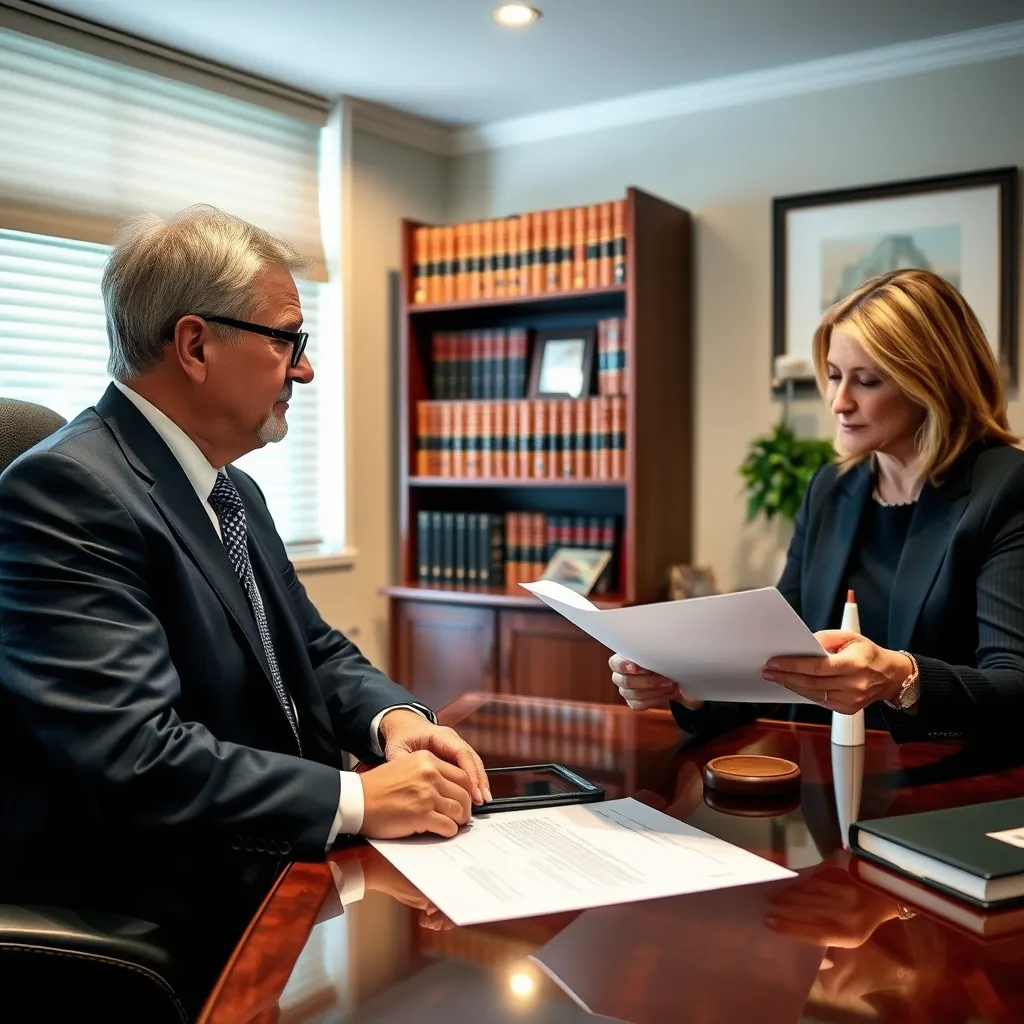
Note: This article is confirmed by Law Offices Of SRIS, P.C.
WRITTEN BY: Mr. Sris
Since 1997, Mr. Sris has led the firm, focusing on the most challenging criminal and family law cases… His background in accounting and information management aids in financial and technology-related cases… Involved in significant legislative changes in Virginia.
Insight: My focus since founding the firm in 1997 has always been directed towards personally handling the most challenging and involved criminal and family law matters our clients face.
Insight: I find my background in accounting and information management provides a unique advantage when handling the intricate financial and technological aspects inherent in many modern legal cases.
Insight: As someone deeply involved in the community, I believe it’s important to not only practice law but also to actively participate in shaping it, which is why I dedicated effort towards amending Virginia Code § 20-107.3 and achieving state recognition for cultural milestones.
Marital Agreement Lawyer Virginia
What is a Marital Agreement
Marital agreements serve as foundational legal documents that establish financial expectations and protections for married couples. In Virginia, these contracts fall into two primary categories: prenuptial agreements created before marriage and postnuptial agreements established during marriage. Both types address similar financial matters but differ in their timing and execution requirements.
Virginia marital contract attorney services help couples understand the legal requirements for these agreements. State law mandates specific formalities including full financial disclosure, voluntary execution without coercion, and fairness in terms. Agreements must be in writing and signed by both parties with proper witnessing. The contracts typically address property classification, debt allocation, spousal support terms, and inheritance rights.
Creating enforceable agreements involves several important steps. Both parties must provide complete financial information including assets, liabilities, income sources, and property valuations. Each spouse should obtain independent legal advice to ensure understanding of rights and obligations. The agreement must be executed well before any wedding ceremony for prenuptial contracts, allowing sufficient time for review and consideration.
Legal professionals help develop effective strategies for marital agreements. They consider factors like business ownership, retirement accounts, real estate holdings, and future inheritance expectations. Attorneys draft provisions that comply with Virginia law while protecting clients’ interests. They also address potential changes such as children’s births, career shifts, or significant financial developments that might affect agreement terms.
Reality Check: These agreements require complete honesty about finances. Hiding assets or debts can make the entire contract invalid when discovered later.
How to Create a Valid Marital Agreement
The process for establishing a legally binding marital agreement in Virginia follows specific procedural requirements. Initial discussions should occur well before any wedding date for prenuptial agreements, allowing adequate time for consideration and negotiation. Both parties need to approach these conversations with transparency about financial situations and future expectations.
Financial disclosure represents the most important requirement for agreement validity. Each spouse must provide comprehensive documentation including bank statements, investment accounts, real estate holdings, business interests, retirement funds, and outstanding debts. Virginia courts examine whether both parties had complete information about each other’s financial positions before signing. Incomplete or misleading disclosures can invalidate the entire agreement.
Independent legal representation serves as another essential element. Each party should consult with their own attorney who can explain rights, obligations, and potential consequences. Legal professionals review proposed terms, suggest modifications, and ensure clients understand what they’re signing. This independent advice requirement helps prevent claims of unfairness or misunderstanding later.
Document preparation involves careful drafting of specific provisions. Agreements should clearly define separate property, marital property, debt responsibility, spousal support terms, and inheritance rights. Language must be precise and unambiguous to prevent future interpretation disputes. Attorneys include provisions addressing potential future events like children, career changes, or significant financial windfalls.
Execution formalities complete the process. Both parties must sign the agreement voluntarily without pressure or coercion. Signatures should be witnessed and notarized according to Virginia requirements. The document should be stored securely with copies provided to each spouse and their respective attorneys. Proper execution timing is particularly important for prenuptial agreements, which should be finalized well before the wedding ceremony.
Straight Talk: Rushing this process increases the risk of mistakes. Give yourself enough time for proper financial review and legal consultation.
Can I Modify an Existing Marital Agreement
Marital agreements in Virginia can be modified under appropriate circumstances, though the process requires careful attention to legal requirements. Changes typically occur through written amendments that both parties voluntarily agree to and execute with proper formalities. These modifications must follow the same procedural standards as original agreements to maintain enforceability.
Common reasons for agreement modifications include significant life changes that affect financial circumstances. Birth of children, career advancements or setbacks, inheritance receipts, business developments, or health issues may necessitate revised terms. Changes in Virginia law regarding marital agreements or property rights might also prompt updates to existing contracts. Periodic reviews help ensure agreements remain relevant to current situations.
The modification process begins with discussions between spouses about desired changes and their reasons. Both parties should consult with their own attorneys to understand implications of proposed amendments. Complete financial disclosure remains essential, requiring updated documentation of current assets, liabilities, and income sources. This transparency ensures both parties make informed decisions about modification terms.
Legal professionals draft amendment documents that clearly identify which original provisions are being changed and how new terms differ. Amendments should reference the original agreement date and include language stating the parties’ mutual intent to modify specific sections. The document must be signed, witnessed, and notarized following Virginia requirements. Proper execution ensures the amendment becomes part of the legally binding agreement.
Courts examine modification validity using similar standards as original agreements. They consider whether both parties entered amendments voluntarily with full understanding of terms. Complete financial disclosure and independent legal representation remain important factors. Amendments that create fundamentally unfair terms or result from pressure or deception may not be enforced.
Blunt Truth: Modifications require the same careful process as the original agreement. Cutting corners can make changes unenforceable when you need them most.
Why Hire Legal Help for Marital Agreements
Professional legal assistance provides important benefits for couples creating marital agreements in Virginia. Attorneys bring specific knowledge of state laws governing these contracts, including recent court decisions and statutory requirements. They help handle technical requirements that non-lawyers might overlook, increasing the likelihood that agreements will be enforced when needed.
Legal professionals begin by assessing each party’s unique circumstances and goals. They identify potential issues that standard templates might not address, such as business ownership structures, intellectual property rights, or international assets. Attorneys consider how Virginia courts have interpreted similar provisions in past cases, helping draft language that aligns with judicial expectations. This proactive approach prevents common pitfalls that could invalidate agreements.
Document preparation involves careful drafting of specific provisions tailored to individual situations. Attorneys ensure agreements include required elements like full financial disclosure acknowledgments, independent legal advice statements, and voluntary execution declarations. They draft clear definitions for property classification, debt responsibility, and support terms that minimize future interpretation disputes. Precise language helps prevent ambiguity that could lead to litigation.
Negotiation assistance represents another valuable service. Attorneys help facilitate discussions between parties with different perspectives or concerns. They explain legal implications of various proposals and suggest compromise solutions that protect both parties’ interests. This professional guidance maintains constructive dialogue while ensuring agreements meet legal standards for fairness and voluntariness.
Future protection comes from creating documents that withstand legal challenges. Attorneys anticipate potential arguments against enforceability and include provisions that address common concerns. They ensure proper execution procedures are followed and documentation is maintained. This comprehensive approach provides confidence that agreements will serve their intended purpose during difficult circumstances.
Reality Check: Professional help costs money upfront but can prevent much larger expenses and stress if disputes arise later. Proper legal guidance is an investment in certainty.
FAQ:
1. What is the difference between prenuptial and postnuptial agreements?
Prenuptial agreements are created before marriage while postnuptial agreements are established during marriage. Both address similar financial matters but have different timing requirements under Virginia law.
2. How long before my wedding should I create a prenuptial agreement?
Begin the process several months before your wedding date. This allows sufficient time for financial disclosure, legal review, and consideration without pressure.
3. What financial information must be disclosed?
Both parties must provide complete details of assets, debts, income, and property values. This includes bank accounts, investments, real estate, businesses, and retirement funds.
4. Can marital agreements address child custody or support?
Virginia courts generally do not enforce provisions about child custody or support in marital agreements. These matters are decided based on children’s best interests at the time of separation.
5. What makes a marital agreement invalid in Virginia?
Agreements may be invalid if there’s incomplete financial disclosure, coercion, unfair terms, or lack of independent legal advice for both parties.
6. Can I create my own marital agreement without a lawyer?
While possible, self-drafted agreements often lack necessary legal formalities and precise language. Professional guidance increases enforceability and proper protection.
7. How often should marital agreements be reviewed?
Review agreements every 3-5 years or after major life changes like children, career shifts, inheritance, or significant financial developments.
8. What happens if we don’t have a marital agreement?
Without an agreement, Virginia’s default marital property laws determine asset division and support matters during separation or divorce proceedings.
9. Can marital agreements be challenged in court?
Yes, agreements can be challenged based on improper execution, incomplete disclosure, coercion, or fundamentally unfair terms. Proper legal preparation reduces challenge risks.
10. Do both spouses need their own lawyer?
Virginia strongly recommends independent legal representation for both parties. This helps ensure understanding and voluntary agreement while supporting enforceability.
11. What costs are involved in creating a marital agreement?
Costs vary based on challenge but typically include attorney fees for both parties, document preparation, and execution formalities. Investment provides long-term protection.
12. Can marital agreements address future inheritance?
Yes, agreements can specify how future inheritance will be treated, whether as separate or marital property. Clear provisions prevent disputes about these assets.
Past results do not predict future outcomes