
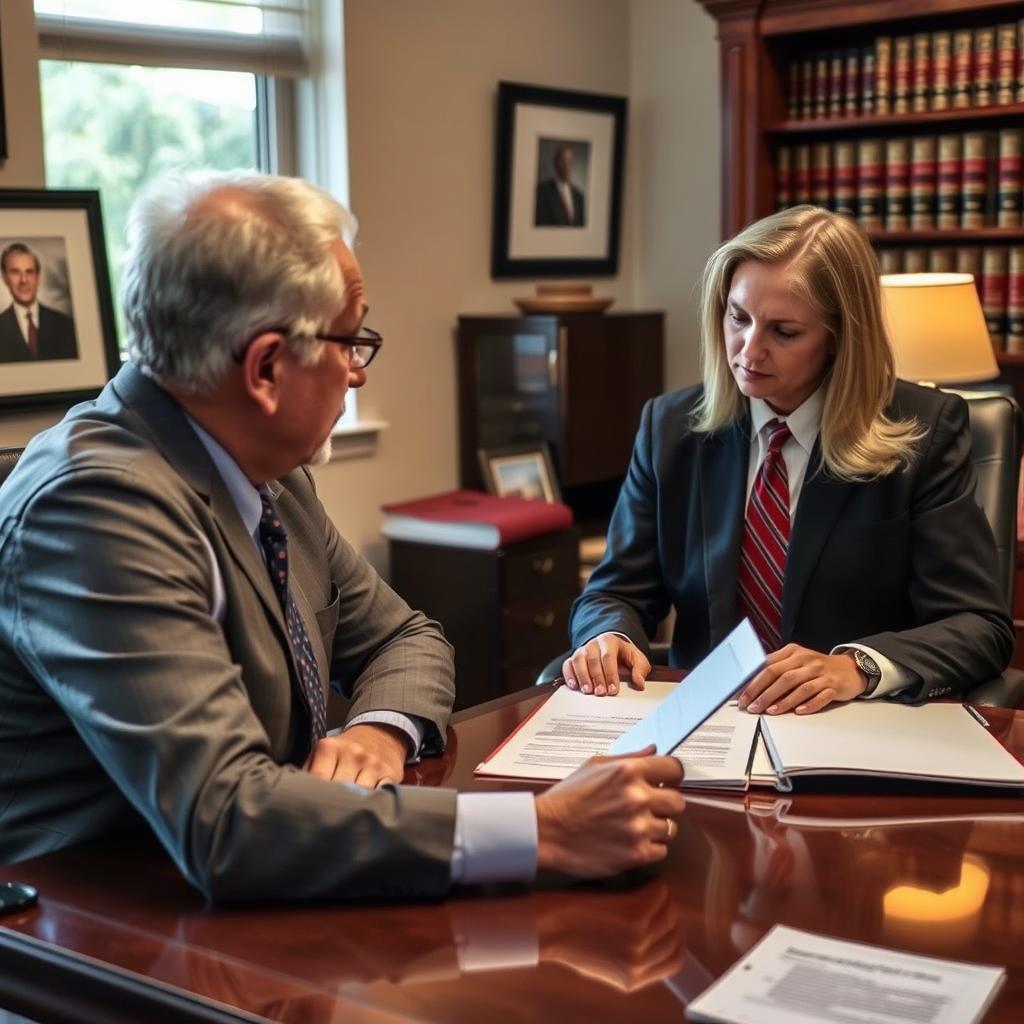
Contract Negotiation Lawyer Culpeper County
You need a Contract Negotiation Lawyer Culpeper County to protect your business or personal interests in a binding agreement. Law Offices Of SRIS, P.C.—Advocacy Without Borders. provides direct legal counsel for drafting, reviewing, and negotiating contracts in Virginia. Our team secures favorable terms and identifies potential liabilities before you sign. We serve clients throughout Culpeper County from our Virginia Location. (Confirmed by SRIS, P.C.)
Statutory Definition of Contract Law in Virginia
Virginia contract law is primarily governed by common law principles and specific statutes like the Virginia Uniform Commercial Code. A contract requires an offer, acceptance, consideration, and mutual assent. The terms define the obligations and rights of all parties involved. Breach of contract occurs when one party fails to perform without a legal excuse. Virginia courts enforce contracts as written if the terms are clear and unambiguous. Disputes often center on interpretation, performance, or the validity of the agreement itself. Having a contract terms negotiation lawyer Culpeper County review your documents is critical. They ensure the language reflects your intent and protects your legal position.
Va. Code § 8.2-201 — Statute of Frauds — Unenforceable if not in writing. This statute requires contracts for the sale of goods priced at $500 or more to be in writing to be enforceable. It is a fundamental defense in commercial disputes. Other agreements, like those for real estate or lasting over a year, have similar writing requirements. A deal negotiation lawyer Culpeper County uses this statute to challenge unrecorded claims.
Virginia law also recognizes implied covenants of good faith and fair dealing in every contract. This means parties must not act to destroy the other’s right to receive the contract’s benefits. Proving a breach of this duty requires specific evidence of bad faith. SRIS, P.C. attorneys analyze conduct to build claims or defenses on this principle. Understanding these foundational rules is the first step in any negotiation or dispute.
What are the key elements of a valid contract in Virginia?
Virginia law requires offer, acceptance, consideration, capacity, and legality for a valid contract. The offer must be clear and communicated to the other party. Acceptance must be unconditional and mirror the offer’s terms. Consideration is something of value exchanged between the parties. All parties must have the legal capacity to enter into the agreement. The contract’s purpose must be legal and not against public policy. Missing any element can render the entire agreement void or voidable.
How does the Virginia UCC apply to my business contract?
The Virginia Uniform Commercial Code (UCC) governs contracts for the sale of goods. It provides default rules for terms like delivery, payment, and warranties. The UCC often fills gaps when a written contract is silent on an issue. It applies to most transactions between merchants. For service-based contracts, common law principles typically control. A lawyer must determine which body of law governs your specific agreement.
What is the statute of limitations for breach of contract in Virginia?
The statute of limitations for filing a breach of contract lawsuit in Virginia is generally five years. This clock starts ticking from the date the breach occurs or is discovered. For written contracts under seal, the period may be longer. Missing this deadline usually bars any legal claim forever. Immediate consultation with an attorney is essential to preserve your rights. Learn more about Virginia legal services.
The Insider Procedural Edge in Culpeper County
Contract disputes in Culpeper County are heard in the Culpeper County Circuit Court or General District Court. The correct venue depends on the amount in controversy and the relief sought. Knowing where to file and how local judges operate is a tactical advantage. SRIS, P.C. has experience with the procedures and personnel in these courts. This local knowledge simplifies the process whether you are enforcing or defending a contract.
The Culpeper County Circuit Court is located at 135 West Cameron Street, Culpeper, VA 22701. This court handles contract disputes where the amount claimed exceeds $25,000. It also hears cases seeking equitable relief like injunctions or specific performance. The filing fee for a civil complaint in Circuit Court is set by Virginia law and is typically over $100. Procedural rules are strict, and deadlines are enforced. Having a Contract Negotiation Lawyer Culpeper County familiar with this court is non-negotiable for high-stakes matters.
The Culpeper County General District Court, at the same address, handles claims of $25,000 or less. Its procedures are somewhat more simplified than Circuit Court. However, the rules of evidence and procedure still apply fully. Many business disputes start here due to the lower monetary threshold. Local procedural customs can influence how a judge interprets contract language. SRIS, P.C. prepares every case with these local nuances in mind.
What is the typical timeline for a contract lawsuit in Culpeper County?
A contract lawsuit timeline varies based on complexity and court docket. From filing to trial can take nine months to over two years. The discovery phase for exchanging evidence often consumes the most time. Motions filed by either side can further delay or expedite proceedings. Settlement discussions can occur at any point and may resolve the case faster.
What are the filing fees for a contract complaint?
Filing fees are mandated by the Virginia Supreme Court and are non-negotiable. For the General District Court, the fee is currently $86 for most civil claims. In Circuit Court, the fee starts at $110 and can increase based on the relief sought. Additional costs include fees for serving the defendant and court reporting. Your attorney will provide a full cost breakdown during your consultation. Learn more about criminal defense representation.
Penalties & Defense Strategies in Contract Disputes
The most common penalty in a breach of contract case is a monetary damages award. The court aims to put the injured party in the position they would have been in had the contract been performed. This is called “expectation damages.” Calculating this figure requires detailed financial analysis and often experienced testimony. A contract terms negotiation lawyer Culpeper County works to limit or maximize this exposure from the outset.
| Offense / Breach Type | Potential Penalty / Remedy | Legal Notes |
|---|---|---|
| Breach of Contract | Monetary Damages (Compensatory) | Covers direct losses from the breach. Includes lost profits. |
| Material Breach | Rescission of Contract + Damages | Allows non-breaching party to cancel the agreement entirely. |
| Breach with Bad Faith | Punitive Damages (Rare) | Virginia rarely awards punitive damages in pure contract cases. |
| Specific Performance | Court Order to Perform Contract | Used for unique items, like real estate, where money is inadequate. |
| Liquidated Damages | Pre-set amount in contract | Enforced only if reasonable forecast of actual damage, not a penalty. |
[Insider Insight] Culpeper County prosecutors do not handle standard civil contract disputes. However, in cases where a breach may involve fraud, theft, or bad checks, the Commonwealth’s Attorney’s Location could become involved. This creates a parallel civil and criminal risk. Local judges expect clear documentation and professional conduct from all parties. Presenting a well-documented case is paramount to achieving a favorable outcome.
Defense strategies often focus on proving no breach occurred or the other party suffered no loss. Other defenses include lack of a valid contract, impossibility of performance, or the plaintiff’s own breach. The statute of frauds is a powerful defense against oral agreements for significant transactions. Early intervention by a lawyer can shape these defenses during the negotiation phase, not just in litigation.
Can I be forced to pay the other side’s attorney fees?
Virginia follows the “American Rule” where each side pays its own attorney fees. A court will order you to pay the other side’s fees only if your contract specifically allows it. Many well-drafted business contracts include a “prevailing party” attorney fees clause. This makes the stakes of litigation much higher. Never sign a contract without understanding this potential liability.
What is the difference between compensatory and consequential damages?
Compensatory damages cover direct losses flowing from the breach. Consequential damages cover indirect losses that were foreseeable when the contract was made. For example, lost profits from a canceled order are often consequential damages. Virginia law allows recovery of both types if properly proven. The contract itself may include clauses limiting or excluding liability for consequential damages. Learn more about DUI defense services.
Why Hire SRIS, P.C. for Your Contract Negotiation
SRIS, P.C. attorneys possess deep, practical experience in Virginia contract law and Culpeper County courts. We translate complex legal principles into actionable strategies for your business or personal deal. Our focus is on preventing disputes through careful drafting and clear terms. When litigation is unavoidable, we advocate aggressively to protect your interests. You need a lawyer who understands both the law and the local playing field.
Attorney Background: Our Virginia contract team includes attorneys with backgrounds in business and litigation. They have negotiated and litigated agreements ranging from simple service contracts to complex commercial leases. This dual perspective is critical. It allows us to draft agreements that are both commercially sound and legally defensible in court.
Our firm’s approach is direct and results-oriented. We review your situation, explain your options in plain language, and execute a plan. SRIS, P.C. has a track record of resolving contract matters for clients in Culpeper County. We work to secure your objectives, whether through a negotiated settlement or a court judgment. Your contract is the foundation of your legal relationship; its strength depends on the counsel behind it.
Localized FAQs for Culpeper County Contract Issues
What does a contract lawyer in Culpeper County actually do?
A contract lawyer drafts, reviews, and negotiates binding agreements. They identify risks, clarify ambiguous terms, and ensure the document reflects your deal. They also advise on enforcement and defend against breach claims in local courts.
How much does it cost to hire a contract negotiation attorney?
Costs vary based on complexity. Many attorneys charge an hourly rate for negotiation and litigation. Some may offer flat fees for document review. SRIS, P.C. provides a clear fee structure during your initial consultation by appointment. Learn more about our experienced legal team.
Should I use a template contract I found online?
Online templates are risky. They rarely address Virginia-specific law or your unique situation. A generic form can create more problems than it solves. Have a lawyer tailor any agreement to your specific needs and local requirements.
What is the most common mistake people make with contracts?
The most common mistake is signing an agreement without fully understanding its terms. Another critical error is failing to document changes in writing. Verbal modifications are difficult and costly to prove in a Virginia court.
Can a lawyer help if a contract dispute has already started?
Yes. An attorney can immediately assess your position and options. They can engage in settlement talks or prepare a vigorous defense. The sooner you involve counsel, the more control you have over the outcome.
Proximity, CTA & Disclaimer
Our Virginia Location serves clients across Culpeper County. We are accessible for meetings to discuss your contract negotiation or dispute. Do not leave your legal and financial interests to chance. The terms you agree to today will control your rights tomorrow.
Consultation by appointment. Call 888-437-7747. 24/7.
Law Offices Of SRIS, P.C.
—Advocacy Without Borders.
Past results do not predict future outcomes.